
The Sri Murugan Research Centre is dedicated to the preservation, study, and dissemination of practical wisdom, bridging ancient spiritual heritage with modern life. Our origins are rooted in a century of devotion, beginning in the sacred town of Thiruparankundram, the first of Lord Murugan's six sacred abodes, and continuing today as a structured foundation for self-realisation and public service.
100 Years of Devotion and Service
A Century of Faith and Legacy of Sri K. M. Vaidyalingam Pillai
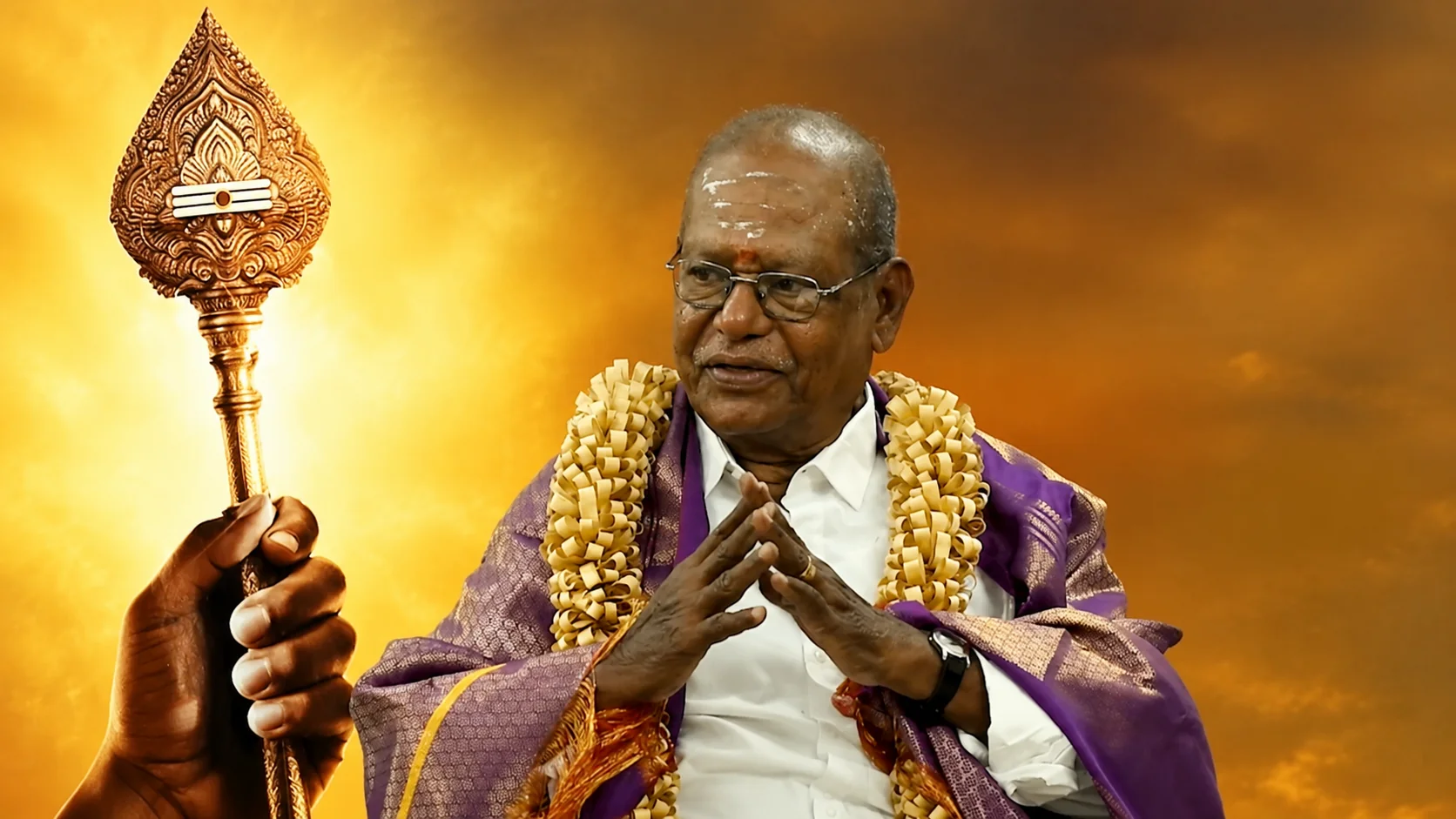
1925: The Vision Begins
Devotion in the Mottaiarasu Forest
The story of the Sri Murugan Research Centre began a century ago with the spiritual vision of Sri K.M. Vaidyalingam Pillai, a prominent Madurai merchant and community leader.
On June 6, 1925, he established a temporary sanctuary in the Mottaiarasu Forest of Thiruparankundram to welcome Sri Murugan during the Vaikasi festival. This act of personal devotion soon blossomed into a community tradition of Thirukkan service and prasadam distribution.
1933: Building a Permanent Foundation
Securing the Sacred Trust
To ensure the service would outlast a single lifetime, Sri Vaidyalingam Pillai formally purchased the Mottaiarasu land in 1933.
Demonstrating remarkable foresight, he also acquired rental properties in Palanganatham to provide a permanent endowment for the festival's expenses, ensuring that financial constraints would never hinder the worship and service of the Lord.
1967 - 1997: Generational Stewardship
Keeping the Sacred Flame Alive
Following the founder's passing in 1967, the sacred flame was kept alive by his descendants through decades of dedication.
Through legal transitions completed in 1997, the responsibility was formally entrusted to the lineage of V.M. Balasubramanian Pillai and Jayalakshmi Ammal, who have maintained the family's spiritual commitment with unwavering devotion.
2025: Sri Murugan Research Centre
The Next Century of Devotion and Discovery
As we celebrate 100 years of service, the legacy is taking a bold new step forward. On December 8, 2025, the family tradition officially transitions into the Sri Murugan Research Centre Trust.
This new chapter expands our mission beyond traditional worship to include Sri Murugan research and dedicated public service, honoring our founder's spirit of community leadership while embracing the needs of the modern world.
Legal Registration & Address
Official SMRC Trust Information
Founder: Sri K.M. Vaidyalingam Pillai (05.07.1887 – 05.06.1967)
Founding Year: June 6, 1925
SMRC Registration Date: December 8, 2025
Registered Deed Number: 4/340/2025
PAN Details: ABNTS4913N
NGO Darpan ID: TN/2026/0946119
Registered Office Address
Sri Murugan Research Centre, 15 Mottai Arasu, TCE Madurai 625015, Tamil Nadu, India
Temple History & Legacy
The Sacred Abode of Thiruparankundram and Mottiarasu Traditions
Sacred History & Legends
The Penance and the Divine Marriage
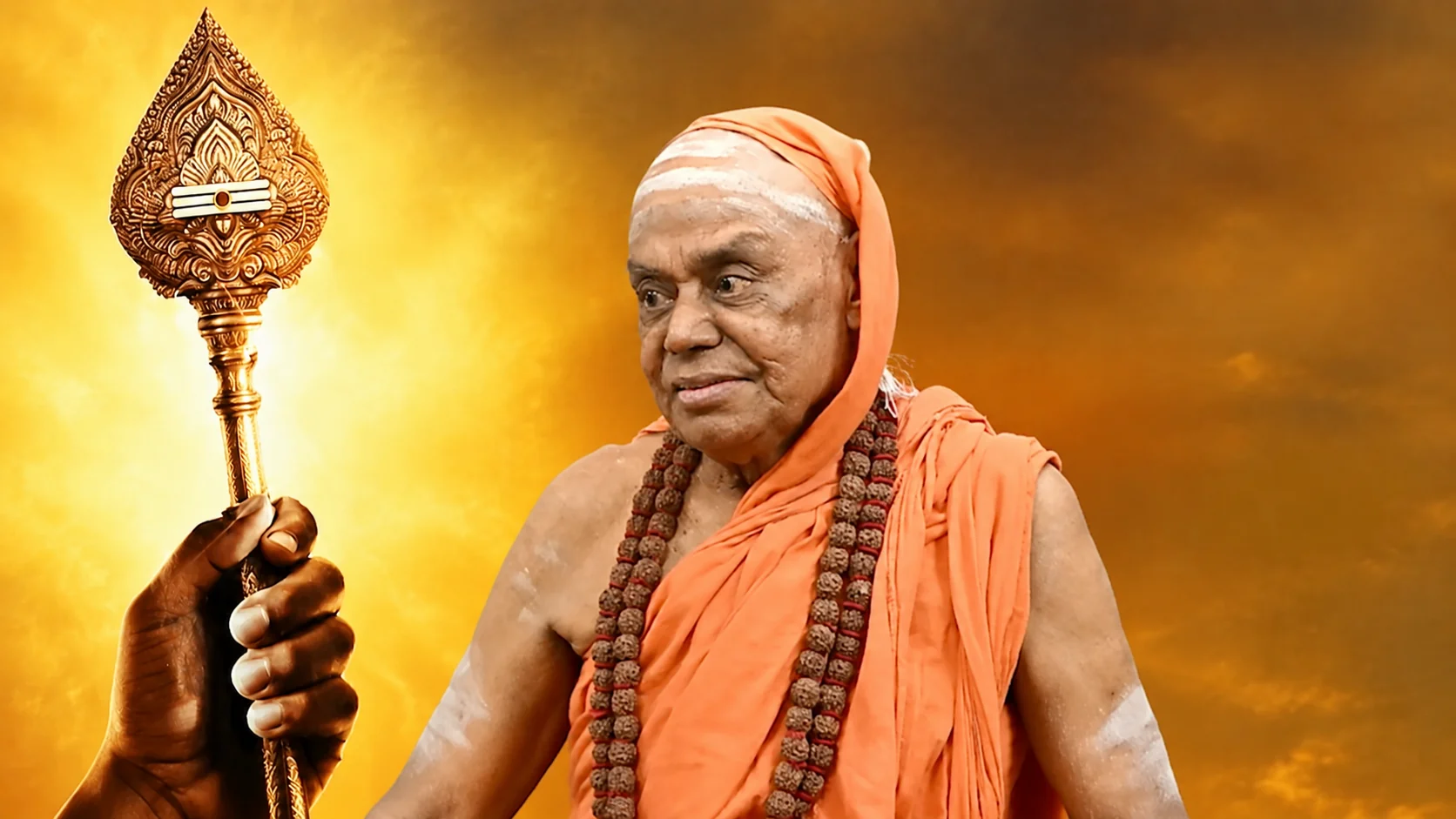
The spiritual significance of Thiruparankundram is deeply rooted in two major Puranic events. The first is The Penance of Lord Murugan. While Lord Shiva was teaching the profound meaning of the Pranava Mantra ('Om') to Goddess Parvati, the young Murugan overheard the secret initiation.
As shastras dictate that sacred mantras must be learned directly from a Guru, overhearing them is considered a sin. Atone-bound, Murugan performed rigorous penance at Thiruparankundram. Pleased by his devotion, Shiva and Parvati appeared before him as Paranginathar and Avudai Nayaki.
The second event is The Divine Marriage. Following the destruction of the demon Surapadman, Indra, the king of the Devas, expressed his gratitude by offering his daughter, Deivayanai, in marriage to Murugan. This celestial wedding took place at Thiruparankundram, with Brahma officiating and Shiva and Parvati presiding over the union.
Historical & Architectural Significance
From Ancient Caves to Pandyan and Nayaka Craft
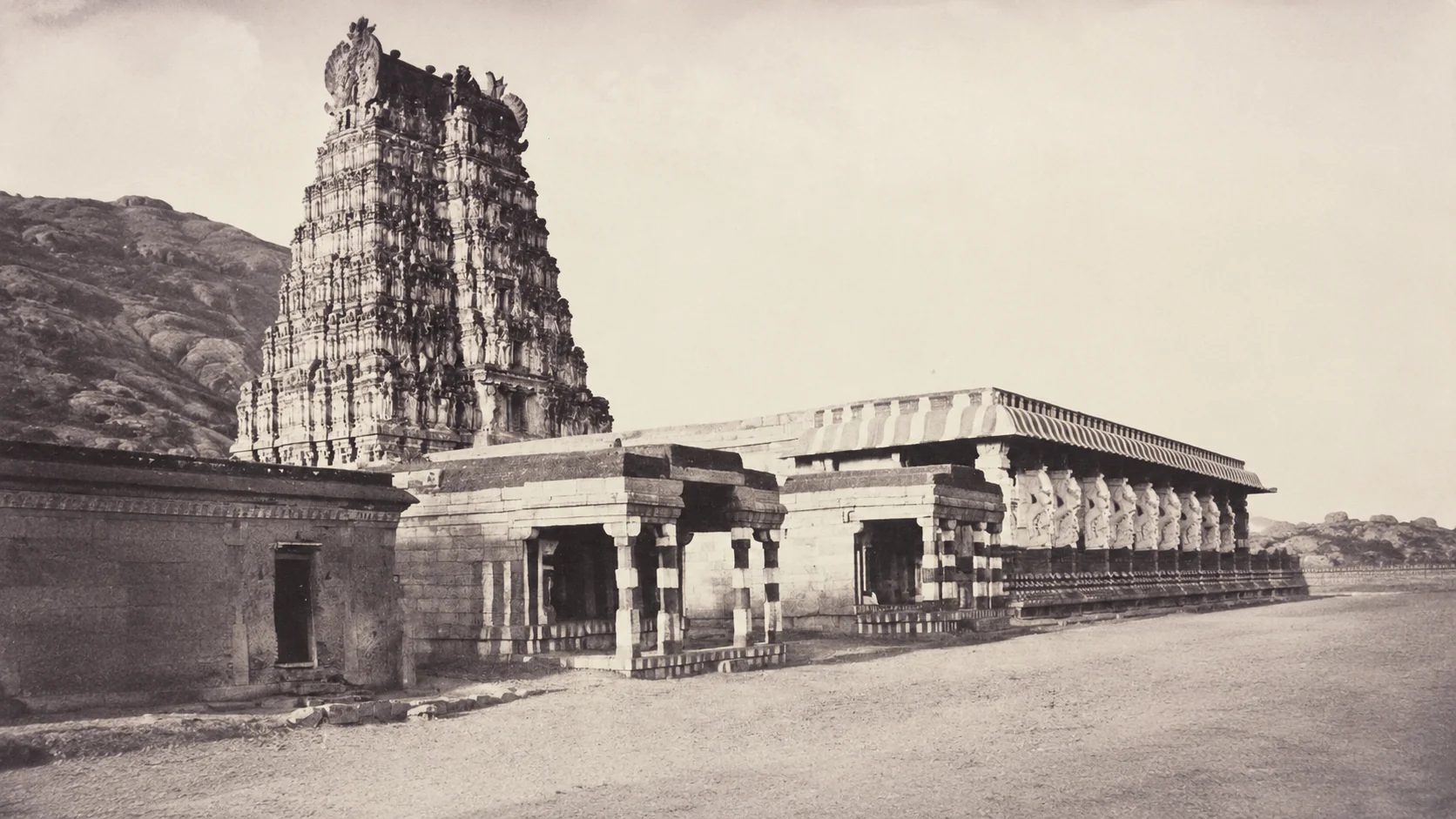
The temple's core is a cave shrine originally excavated for Lord Shiva in 773 AD by Sathan Ganapathi, a commander under the Pandyan King Paranthaka Nedunjadaiyan. Over time, shrines for Murugan, Deivayanai, Durga, Vinayagar, and Pavalakkani Perumal were carved as beautiful bas-relief sculptures.
The temple features a majestic 46-meter high tower and ten massive stone pillars at the entrance, showcasing the artistic mastery of the Nayaka period (16th to 17th centuries), specifically during the reigns of Veerappa Nayakar, Thirumalai Nayakar, and Queen Mangammal.
The hill itself rises approximately 190 meters high and is revered as a physical manifestation of the Shiva Lingam. Mentioned in ancient Sangam literature such as the Agananuru and Thirumurugatruppadai, the name 'Thiruparankundram' is derived from Thiru (sacred) + Param (Shiva) + Kundram (hill).
Spring Festival
The Spring Festival and Mandahapadi Tradition
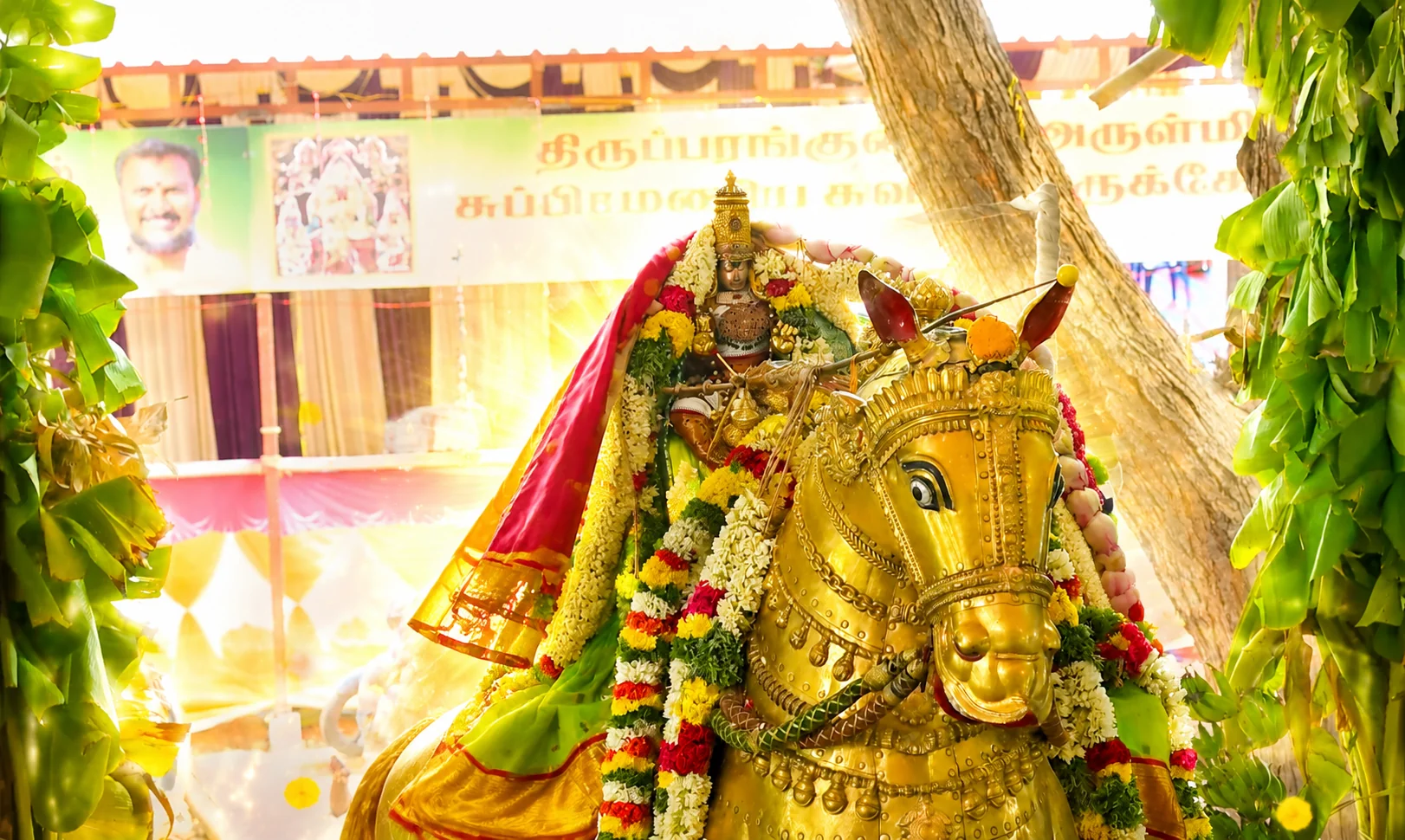
Among the festivals celebrated at the temple, the Vasantha Utsavam (Spring Festival) held at the Mottiarasu forest is of unique historical and cultural importance.
Following the grand celebrations of Vaikasi Visakam (Murugan's birth star), it is believed that Lord Murugan, accompanied by his wife Deivayanai, visits the Mottiarasu forest on the following full moon day (Pournami).
During the reign of Queen Meenakshi (the last Nayaka ruler of Madurai, 1731 to 1739), Madurai merchants and devotees petitioned for permission to welcome the Lord in the forest. Queen Meenakshi granted permission and constructed Mandapams in the forest for worship.
To this day, descendants of those devotees continue the Mandahapadi tradition, setting up temporary shelters, performing elaborate Deepa and Dhupa rituals, and distributing buttermilk, panakam, and free meals (annadanam) to the thousands of pilgrims who gather.
Siddhar Legacy
Machamuni Siddhar and Seated Posture
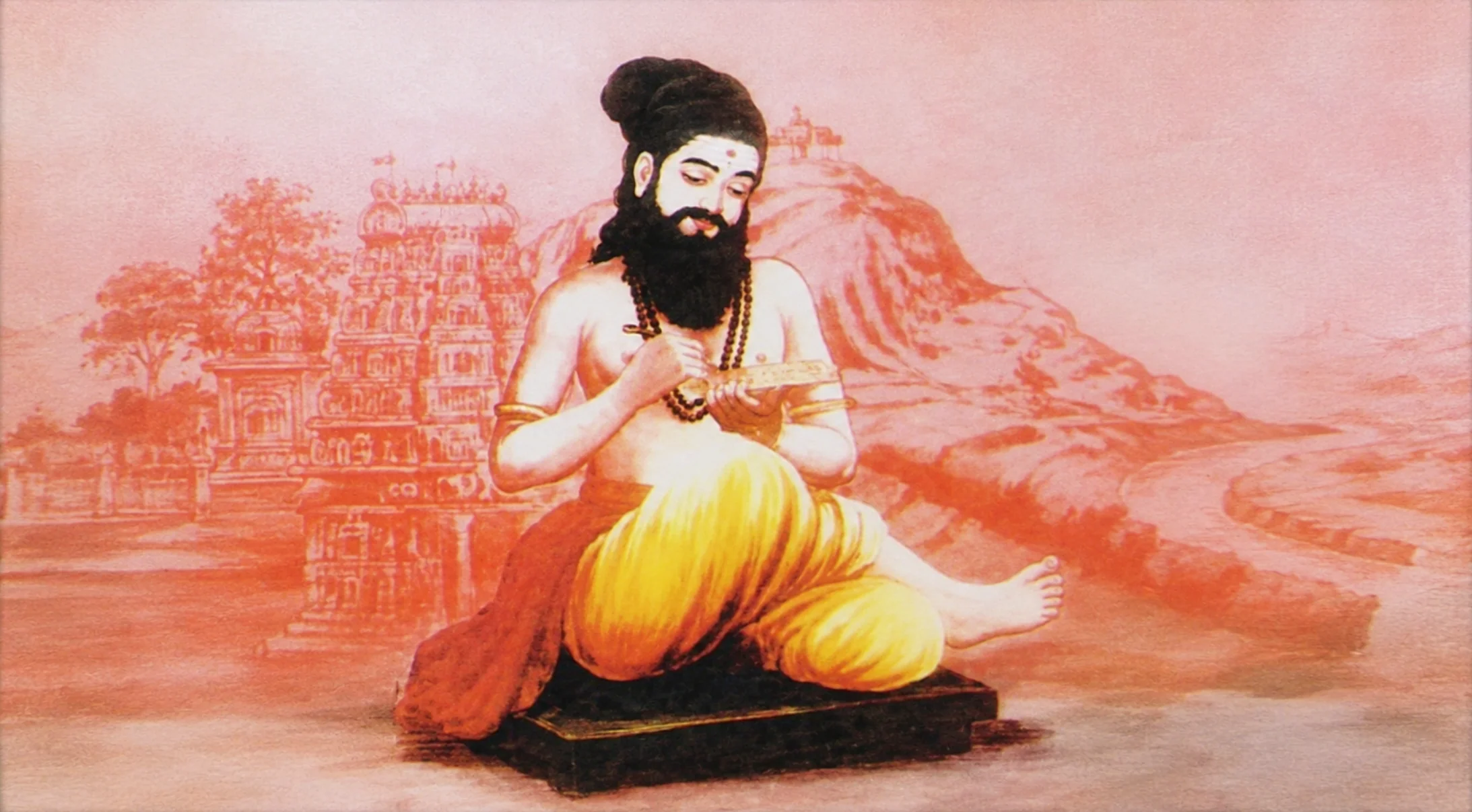
The temple grounds contain the Jeeva Samadhi of Machamuni Siddhar, a renowned yogi who achieved Ashtamasiddhi and contributed significantly to Siddha medicine and atomic science.
Thiruparankundram also holds a unique typographic and iconographic place: unlike most temples where Lord Murugan is depicted standing, he is shown in a seated posture here.
Board of Trustees
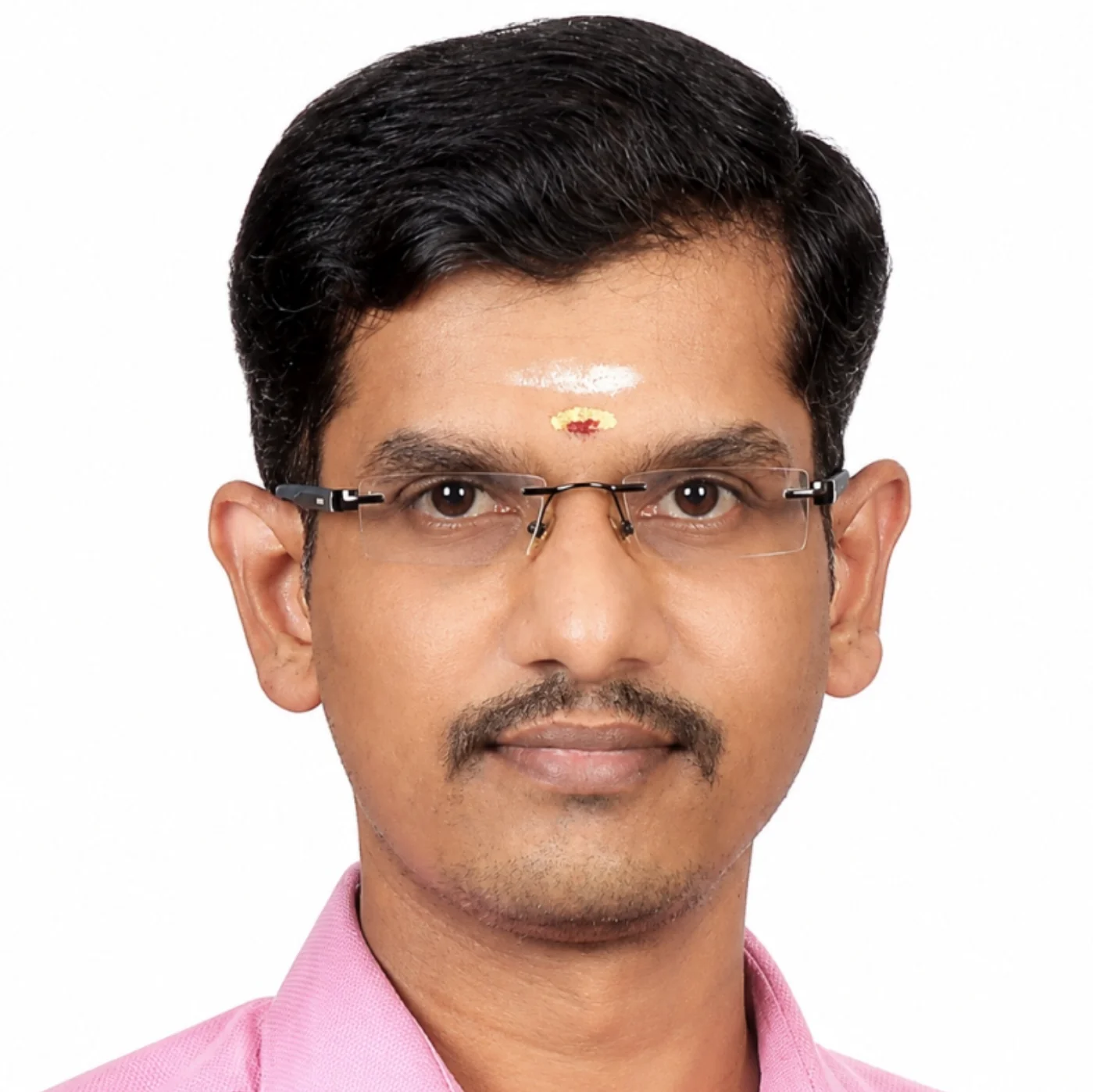
Stewardship of the SMRC Trust
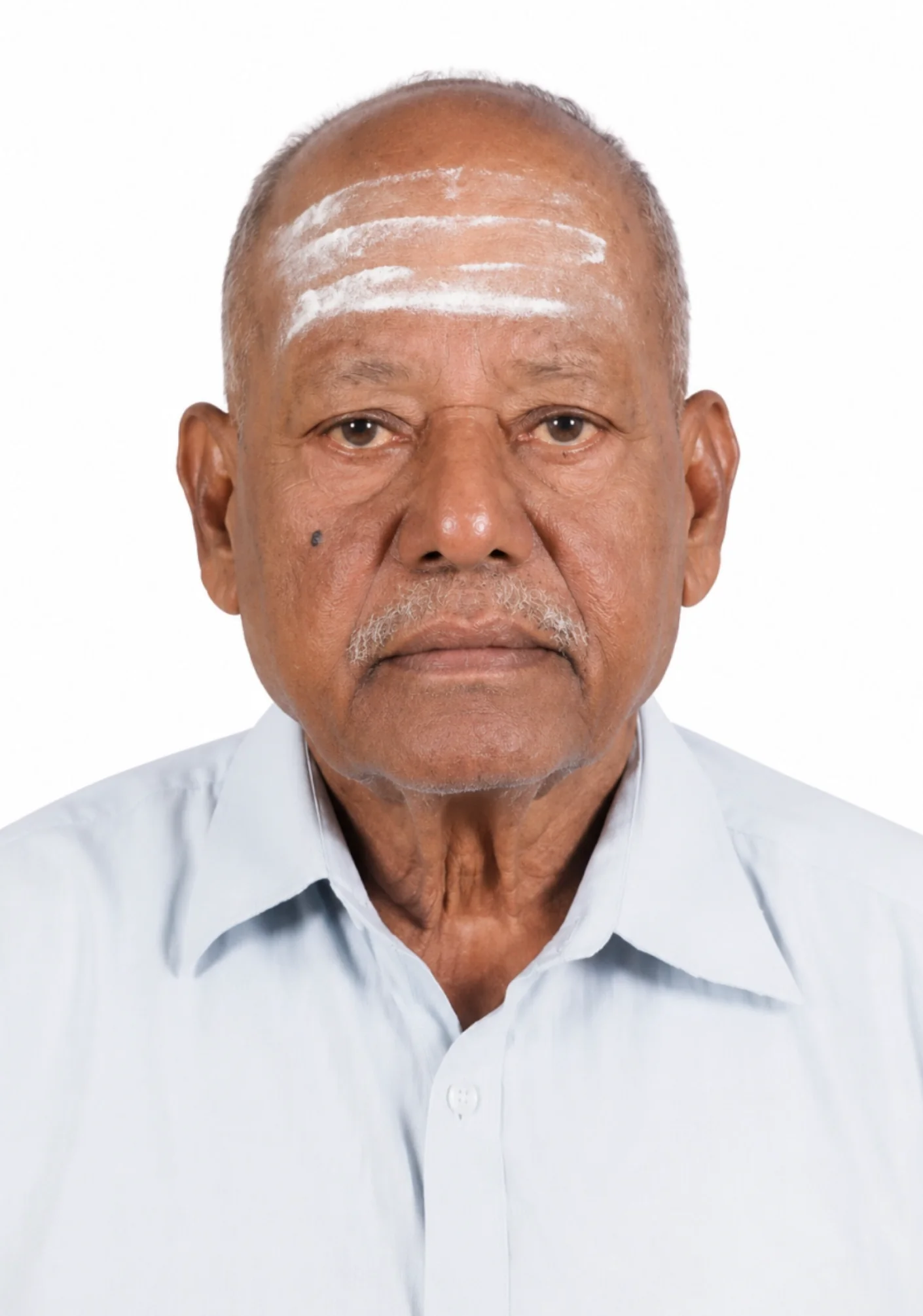
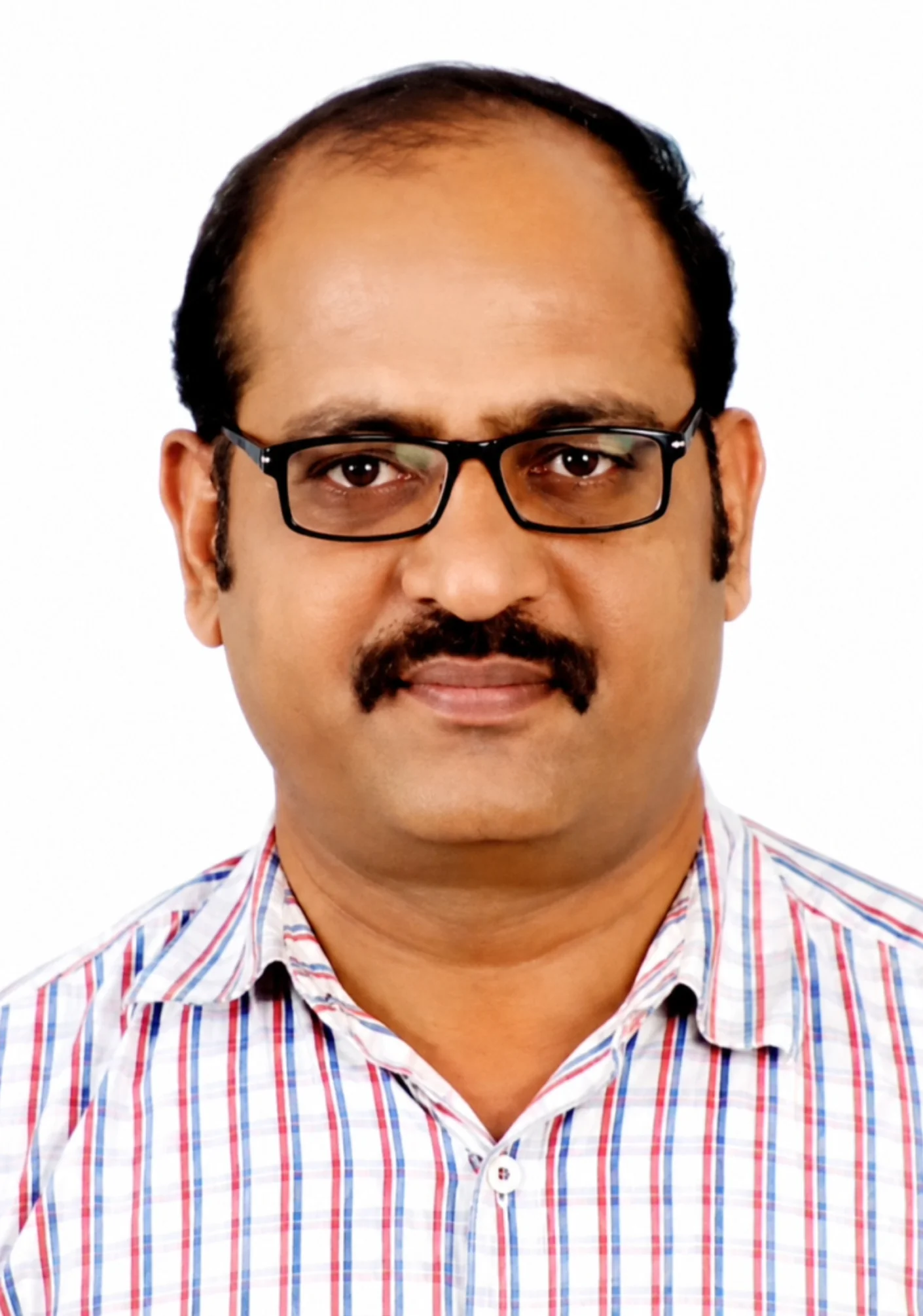
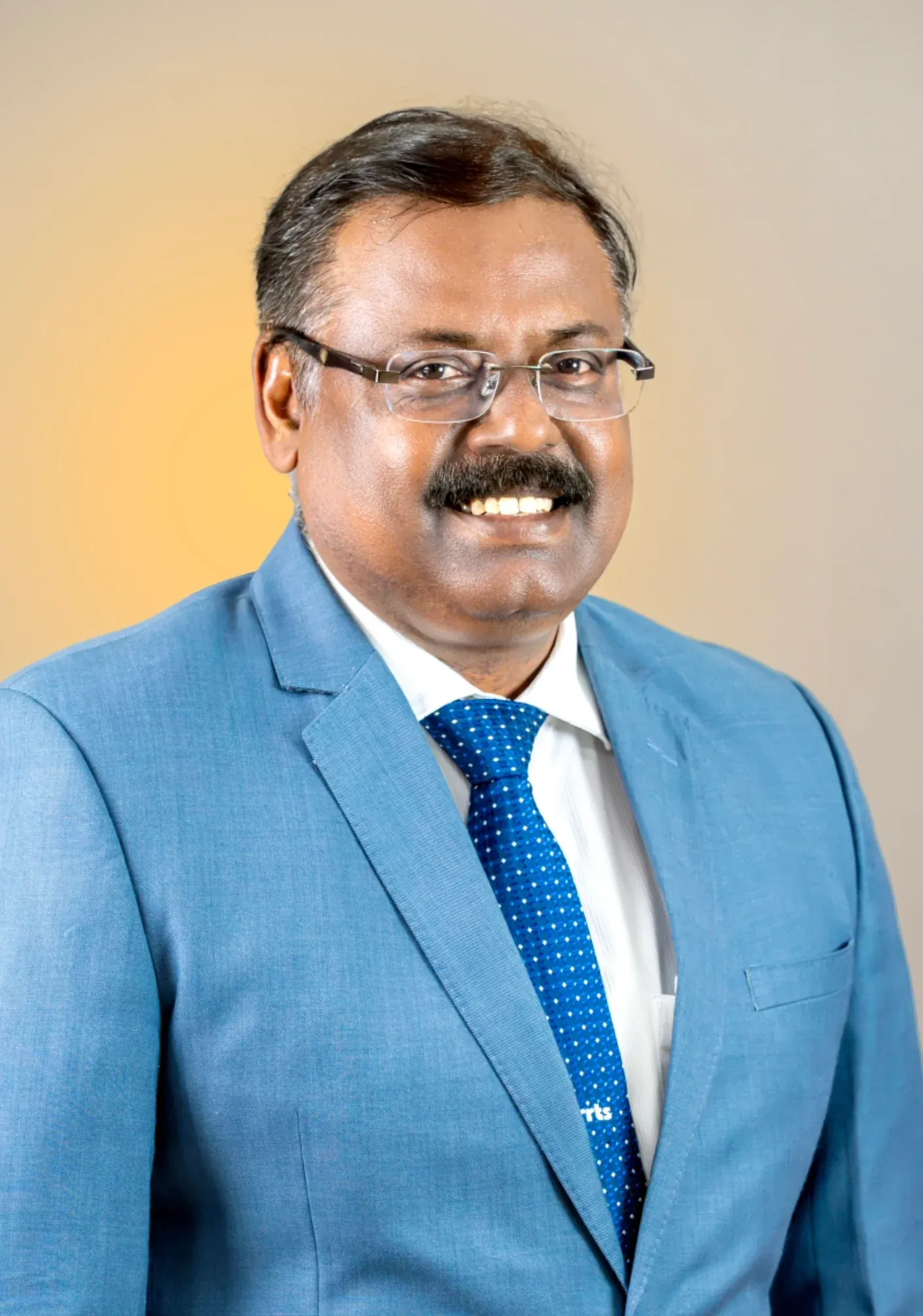
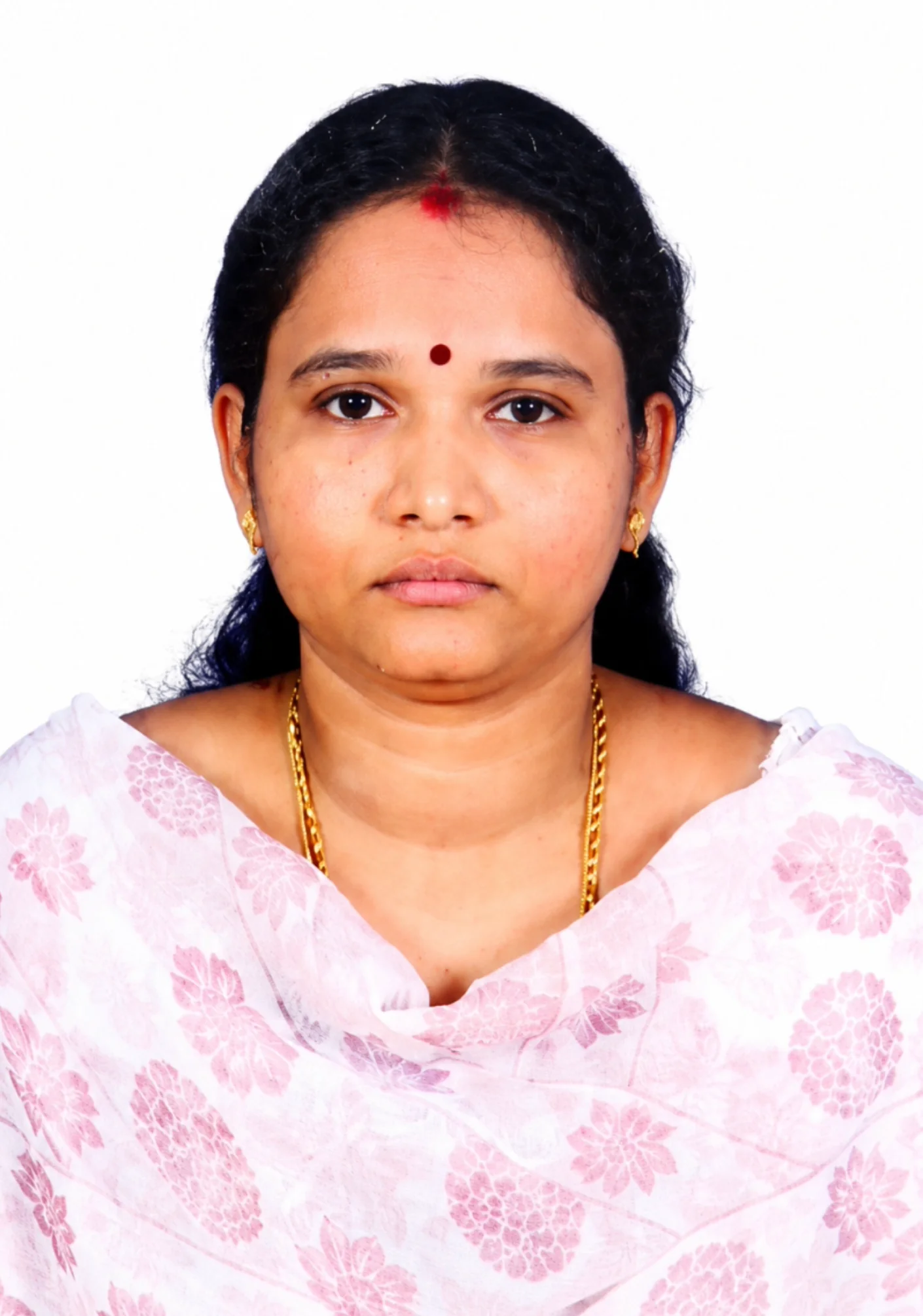
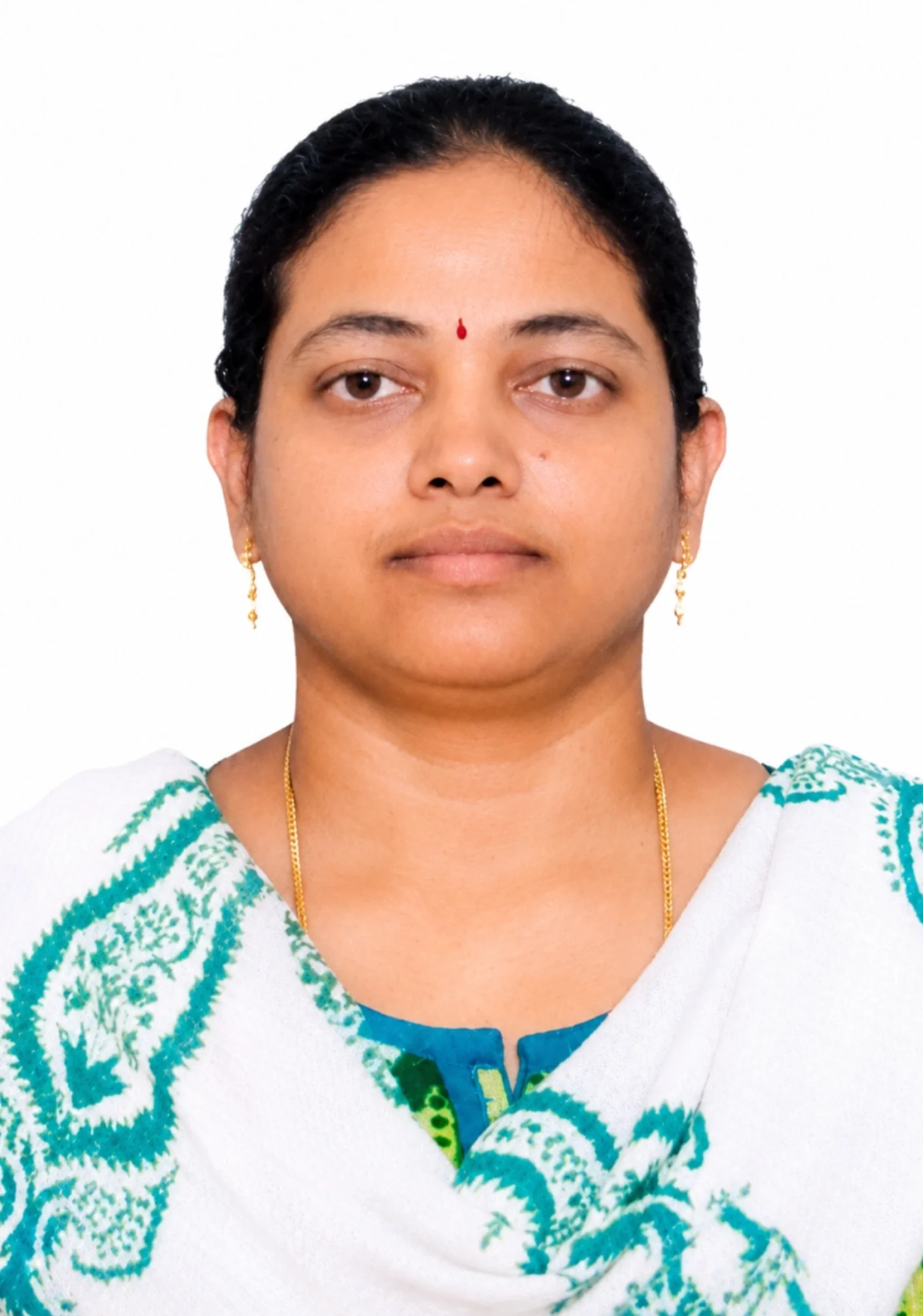
Board of Trustees
Stewardship of the SMRC Trust
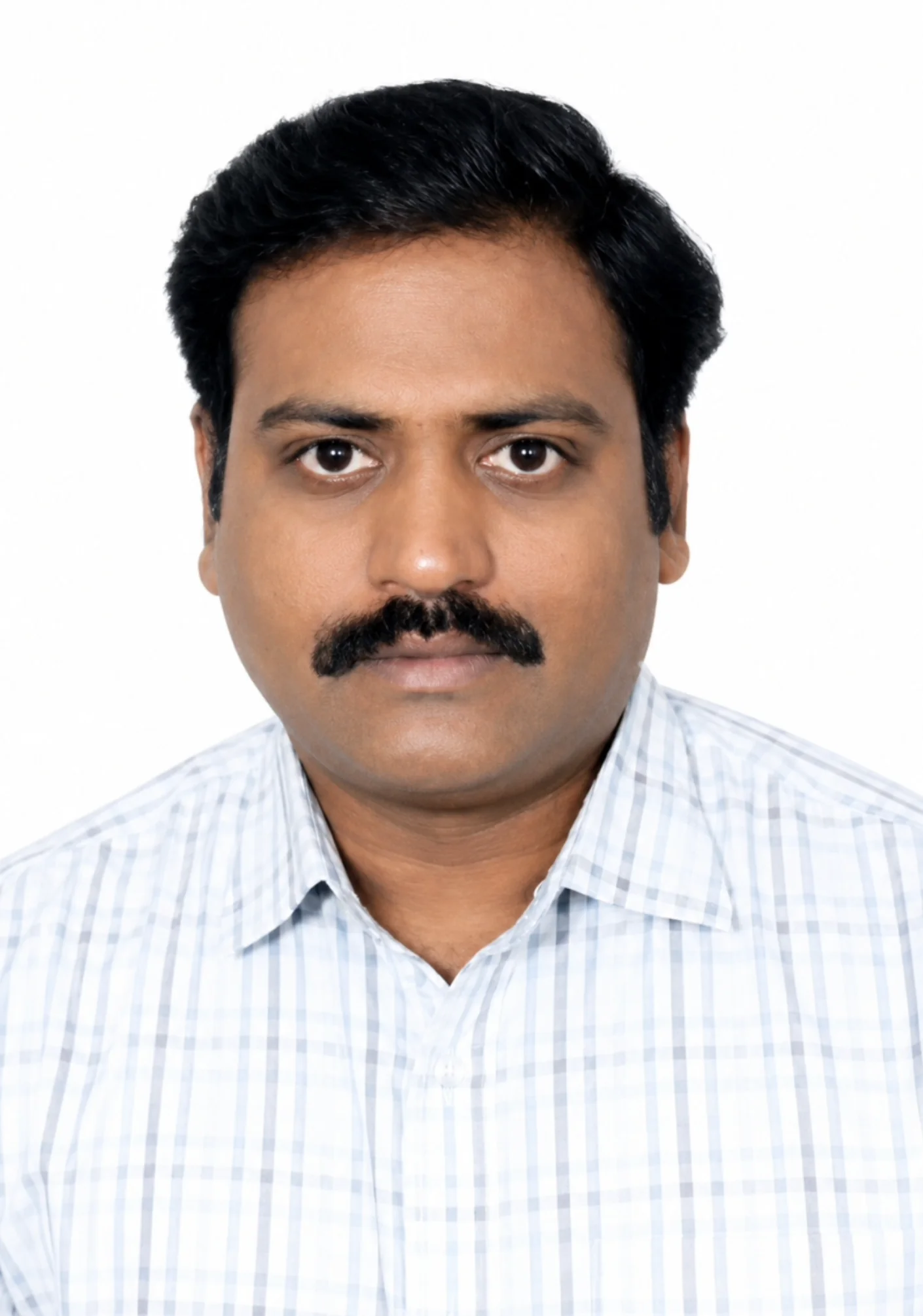





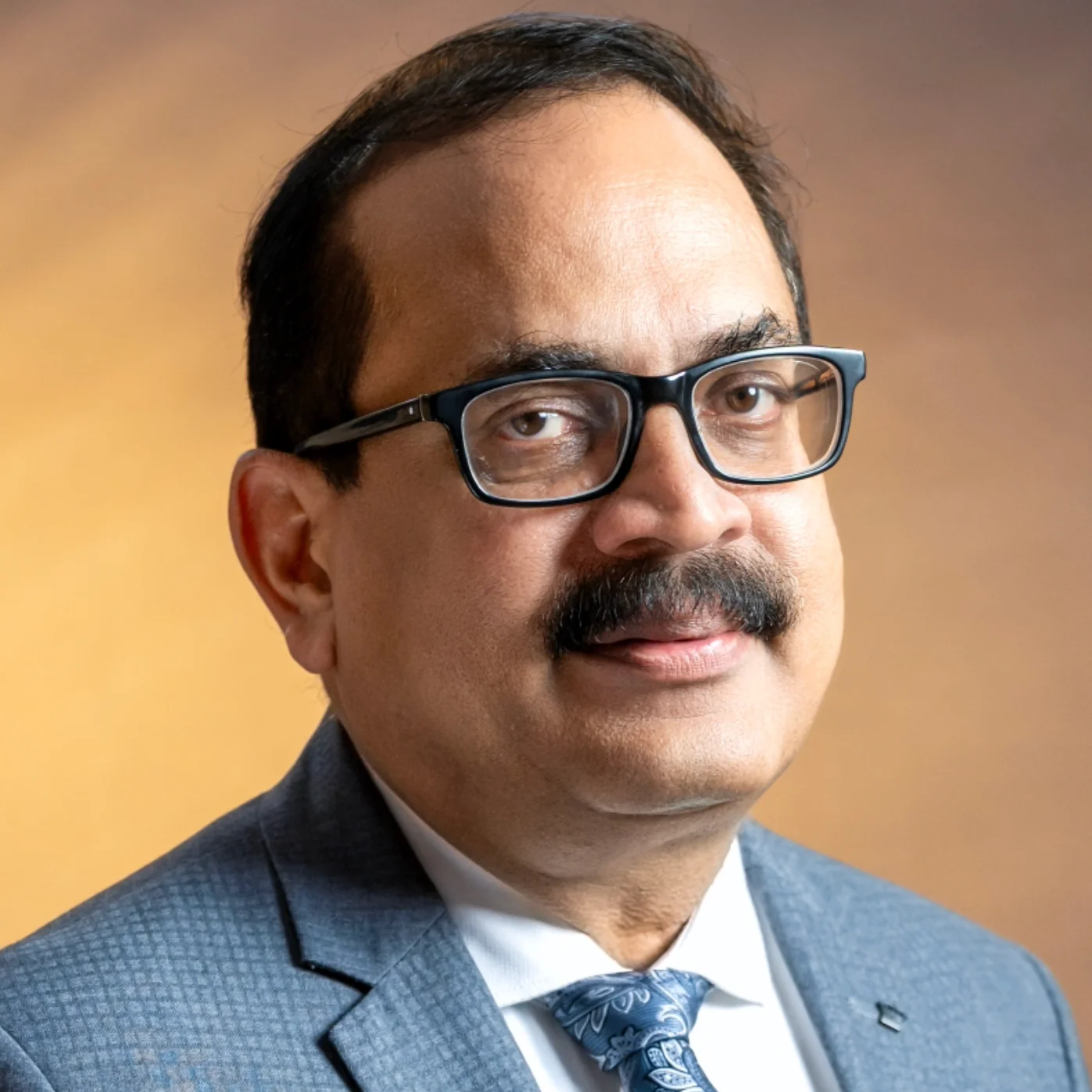
Creative Team
The Team behind the Vision

Support the Mission of Right Living
Support our initiatives to spread awareness about right living, share authentic philosophical insights, and provide freely accessible resources for personal growth.
- History & Trust
- Temple History & Legacy
- Spring Festival
- Siddhar Legacy
- Trustees & Team