Discover our latest blogs
Essays, research notes, and philosophical reflections on right living and ancient wisdom. Documenting our ongoing field studies, cultural preservation, and modern scientific inquiry.
The Divine Experience Behind the Creation of SMRC
The true story behind how Sree Murugan Research Centre came to be - guided by family devotion, spiritual lineage, and divine synchronicities.
Sree Murugan Research Centre (SMRC) was born not out of an academic plan, but out of a quiet family prayer, deep spiritual devotion, and a remarkable sequence of divine synchronicities. 1. The Spark – A Divine Intention It began, as many things do, with an ordinary family conversation. My uncle, V.M. Balasubramanian, was chatting with the family and shared his long-held longing - to do something worthy of the land and building he had dedicated to the Mottairasu Vasanthotsavam, the annual festival of Thiruparankundram's Lord Subramanian. I overheard him while I was in the middle of my evening prayers. A thought flashed into my mind: we could start a research centre dedicated to Lord Murugan. I walked straight out of the pooja room and told him so. He agreed, at least in part - "We can think about it," he said. My mother, hearing this, said something that stayed with all of us: "Today is Visaka Nakshatra - Lord Murugan's birth star." Perhaps, she said, Murugan wanted this to happen. 2. The Fuel – Human Effort A year passed. On 20th June 2025, at a family birthday gathering, my uncle raised the topic again. Once more I said, "Let's start the research centre." We weighed the pros and cons together as a family, and this time we decided - let's go ahead. For the next six months, my uncle devoted himself fully to the legal and banking formalities needed to bring the idea into being. 3. The Birth of the Name Naming the centre proved harder than expected. Days passed without a decision. Then, one evening, we visited Mylapore Kapaleeswarar Temple and stood before the Sri Singaravelar Sannathi. I found myself praying quietly: Lord, give us the right name for the centre. At that very moment, a loudspeaker from the nearby temple auditorium hall crackled to life, reciting the many names of Lord Murugan and their meanings - beginning with "Murugan" itself. I felt it was a message. Right there, we decided the centre would be called Murugan Research Centre. My uncle later refined it to Sree Murugan Research Centre - and that is how SMRC was born. 4. The Research Begins Lord Murugan's mythology is, of course, well documented - through the Skanda Puranam, ancient literature, and folklore. Yet as we began our work, we felt intuitively guided at every step, drawn toward the deeper, lesser-known layers: the rahasyas of Murugan's mythology, worship, ritual, and secret traditions. We received insight after insight - into Murugan iconography, the six abodes (Arupadai Veedu), and their connection to the body's chakras. His teaching of Thannai Thaan Arithal - knowing the self by the self - became the seed of our very first research output. 5. Lord Murugan and the Disciplines of Life As our research deepened, a question kept surfacing: how do we connect Murugan's mythology to the needs of today's world? The answer arrived unexpectedly. I was in Nepal for an official meeting when my friend Mr. Sathish Kondakath sent a message: "If possible, please go to Shri Shivapuri Baba Ashram - it's in Kathmandu." I replied that I was leaving the next morning and doubted I'd manage it. Even local contacts had never heard of Shivapuri Baba. Then, by chance - or grace - I found online that the ashram was near the airport, right beside the Pashupatinath Temple. Shivapuri Baba had lived on this earth for nearly 137 years, walked the world on foot for 40 of them, and had been a teacher to Queen Victoria and to thinkers like Dr. S. Radhakrishnan. I made it to the ashram, received his blessings, and was gifted a book on his teachings by one of his disciples - teachings centred on Swadharma, the disciplines of a rightly lived life. It was only later that the realization struck me: Lord Murugan himself is the living exemplar of these disciplines. His life and mythology are a practical guide to right living for everyone. 6. The Logo "Gnanavel" Is Born With the name SMRC settled, we began searching for a logo to represent it. One day, a colleague of mine - Mr. Mani, a creative designer - happened to visit a well-known shop that sells idols of the gods. There, he found a divine Vel rising from a lotus, cast in Pancha Loha, the traditional alloy of five metals. Something about it drew him in immediately. He bought a few and brought them to me. The moment I saw it, I knew - this was the logo. We named it Gnanavel - the piercing wisdom - the true essence of Lord Murugan's Vel, and the very purpose of SMRC: spreading the wisdom of Lord Murugan. 7. Submitted at the Feet of Lord Subramanian, Thiruparankundram After sustained effort, my uncle completed the trust registration and received the documents. On 25th December 2025, Christmas holiday, our whole family gathered at our Madurai home. As my uncle showed us the paperwork, someone suggested - why not go and seek the Lord's blessing at Thiruparankundram? We travelled to the Subramaniar Temple, where our contact Dhakshinamoorthy welcomed us and helped us place the registration documents at the feet of Lord Murugan for his blessings. It felt as though God himself had approved SMRC and given us the go-ahead to proceed. From there, we went straight to the Mottairasu festival building - SMRC's registered office - and discussed the road ahead. The first draft of our research output, Thannai Thaan Arithal , was distributed that day, and every family member present received a Gnanavel, our newly-born logo. 8. Consecration of Gnanavel at SMRC That day, we made our most important decision yet: to establish a dedicated presence for SMRC. As we discussed when to meet next, our family member Vanathi suggested we mark Thai Poosam, then just months away, with some meaningful activity. I kept turning the question over in my mind - trusting that Lord Murugan would show the way. 9. Thai Poosam (1 February 2026) – The Day I discussed it with my close friend and colleague, Mr. Sathish Kondakath, and we resolved to begin with an interview - capturing my uncle's account of the 100-year legacy of the Mottairasu festival and its heritage. As it happened, Thai Poosam fell on Sunday, 1st February 2026 - a holiday. We booked tickets for three of us: myself, Mr. Sathish, and Mr. Mani, our creative designer, who is also skilled in photography and videography. 10. Getting the Gnanavel We had planned only a video shoot. But a thought kept returning to me - Thai Poosam is one of the most auspicious days for Murugan; this should be the official launch day of SMRC, something truly significant, a divine beginning. While reading about the significance of Thai Poosam, I learned it marks the day Lord Murugan received his Vel from Amma Parvathi. In an instant, the idea struck: let us consecrate the Gnanavel, our SMRC logo, on this very day. 11. Search for a Priest I asked Mr. Mani to buy a larger Gnanavel from the same shop as before. Word came back - none in stock, and a fresh order would take days we didn't have. I sat with that for a while, unsure what to do next, and simply prayed. Soon after, Mani messaged again: the shop had a branch in Kanchipuram, and there was a chance a larger one might be sitting there. By the grace of Lord Murugan, exactly one was in stock. We ordered it at once, and it reached us by courier just a day before our travel - with no margin left to spare. With the Gnanavel in hand, I thought to invite a priest from the Thiruparankundram Murugan Temple to SMRC, for a small pooja and a talk on Lord Murugan. Every attempt came back the same way - everyone was occupied with Thai Poosam duties at the temple, and the notice was simply too short. I began to wonder if we'd have to let the idea go for this year. 12. Consecration by Swami Kamalanantha My uncle then approached a nearby temple priest with the same request. He couldn't help either - but he mentioned a saint living close by. What struck us was this: my uncle had lived in that very locality of TVS Nagar, Madurai, for decades, and had never once known a saint resided there - one who had taken sanyasa from the Sringeri Sharada Peetham, in the lineage of Adi Shankara. It made us wonder how many such quiet answers had been sitting nearby all along, unnoticed. When my uncle went to the ashram, the reply was that Swamiji had an important function that very morning and could only meet in the evening. Our return train, though, was at 5 PM - so he asked once more for a morning slot, and came home believing it likely wouldn't work out. Then, unexpectedly, a call came from the ashram - the saint had agreed to make time for us that morning, at 11 AM. 13. The Anchor Then came a sudden twist: my friend Mr. Sathish could no longer travel with us. With a spare ticket in hand, I asked Mani to reach out to his uncle, Mr. Shankar, a friend of mine, to see if he could join instead. To our surprise, Mr. Shankar - a busy teacher - agreed at such short notice. When we met at the railway station, he asked me, "Why did you want me to join this program?" I honestly didn't have an answer - Sathish couldn't make it, and his name had simply come to mind, unbidden. All I could tell him was that there must be a reason; God alone would know. Neither of us could have guessed, standing on that platform, how true that would turn out to be. 14. God's Play at Kamalanantha Ashram When we met my uncle in Madurai, I showed him the Gnanavel and explained we wished to consecrate it at SMRC. He agreed. The moment we reached the ashram, a pooja was already in progress, conducted with great devotion. I asked the Swami if he could perform the pooja for the Gnanavel, so we could consecrate it at SMRC. 15. Research Finding and the Proof He agreed wholeheartedly and performed a sincere prayer, abhishekam, and aarti. Afterward, he shared something remarkable - his original name was Murugan, and Thai Poosam was the very day of his sanyasa deeksha from his guru. The special pooja that morning had been organised for that occasion alone. He was deeply moved that the Gnanavel had arrived at his ashram on this exact day, feeling that Lord Murugan himself had come to bless him. After the pooja, he handed us the Gnanavel with his blessings, and spoke to us about Subramanya Rahasya - the connection between Lord Thiruparankundram Murugan and the Mooladhara Chakra. I was astonished and delighted - our core research had centred precisely on the six Padai Veedu and their connection to the six chakras of the human body. We had sensed this intuitively all along, but had longed for solid grounding to include in our research. Here it was, unasked for. 16. Mission - "One Life: Live It Well" Begins Straight from the ashram, we went to the SMRC building and consecrated the Gnanavel at the pooja hall. A thought struck me - my uncle's interview needed an anchor to ask the questions, and Mr. Shankar, a teacher fluent in Tamil, was the right person for it. He accepted happily and did a heartfelt job. He later told me he felt it was God's will that he be part of it, as his own family carries a heritage of worshipping Lord Murugan. My uncle spoke about the heritage and purpose of SMRC, and we completed the video shoot. That day, I also unveiled our first research output - One Life: Live It Well - the legend of Lord Murugan presented as an exemplar of right living. Mr. Shankar took it up as a personal mission, teaching and sharing it with his students ever since. I felt God had brought the right person, at the right time, to carry this message to the younger generation - perhaps exactly what the moment needed. 17. The Birth of the Website The video shoots were complete, but we still hadn't found the right person to build the SMRC website. Weeks turned into months. I simply kept believing that God would show a way. Then one day, my friend Mr. Sathish Kondakath mentioned his nephew, Mr. Narayan - a college student with real skill and passion for web design. He showed me some of Narayan's work, and I was impressed. I asked him to request Narayan to design the SMRC website. Narayan, as it turned out, was thrilled to take it on - that very morning, when he'd asked his mother, an ardent devotee of Lord Murugan, what to do with his holidays, she had told him: make a website on Lord Murugan. The rest is history - the SMRC website was born. When we later evaluated the site using AI tools, it scored a perfect 10 out of 10 for the authenticity of its research and content. So much divine experience, at every single step. God, thank you. We dedicate SMRC completely at the feet of Lord Murugan - He simply made us instruments in his mission of spreading right living. One Life: Live it well Sukhama Santhoshama Ananthama

Vibe Check: The Global Glitch is Real
Burnout, loneliness, and mental fatigue aren't personal flaws - they're systemic signals. Here is what global data reveals, and how ancient wisdom offers a practical reset.
Here is an uncomfortable reality: the numbers on burnout, chronic loneliness, and mental fatigue are no longer subjective feelings. They are measured, published, and verified across independent global research - from Harvard to the World Health Organization. This is not a personal critique; it is a systems diagnosis. Something in how modern society lives is breaking down, and the empirical evidence shows precisely where the cracks are. 1. The Body Glitch: Running on Empty The Discipline of Body is not about fitness aesthetics or gym photos - it is about whether your biological foundation (sleep, nutrition, physical movement, and nervous system recovery) can sustain the life and aspirations you are building. For most of the rising generation, that foundation is operating at a severe deficit. According to the 2025 Aflac WorkForce Report, 74% of Gen Z professionals report moderate to severe burnout - the highest rate recorded across any demographic. More strikingly, age 25 has become the average peak-burnout age, arriving 17 years earlier than the historical benchmark of 42. With young adults averaging nearly 9 hours of daily screen time, deep restorative sleep and physical recovery have been pushed to the margins. When biological recovery becomes negotiable, cognitive focus, emotional stability, and vitality inevitably collapse. 2. The Mind Glitch: A System Under Load The Discipline of Mind does not mean living entirely free of tension. It means cultivating a mind that serves as a focused instrument under your guidance, rather than an untamed processor dictating your reality. The Global Burden of Disease Study published in The Lancet (2026) reports that 1.17 billion individuals globally live with a diagnosable mental health condition - roughly one in every seven people. The highest burden falls upon young people aged 15 to 19, during formative developmental years when they are often told to simply push through. Furthermore, the World Health Organization identifies suicide as a leading cause of mortality among youth aged 15 to 29 worldwide. An unconditioned mind quickly becomes an internal adversary, magnifying anxiety and fragmenting human attention. 3. The Spirit Glitch: The Collapse of the Social Self The Discipline of Spirit is the foundational anchor - the intuitive sense of higher purpose and authentic connection with others. Cognitive researchers and sociologists have identified a profound crisis in this domain: the erosion of the "Social Self." A landmark study from the Harvard Graduate School of Education found that 61% of adults aged 18 to 25 experience persistent, debilitating loneliness - nearly double the rate of the general population. Across 47 measured dimensions of psychological wellbeing, Sapien Labs documented a 27% decline in the capacity of young people to nurture meaningful relationships. Epidemiological research by Dr. Julianne Holt-Lunstad confirms that chronic social isolation carries health risks comparable to smoking 15 cigarettes a day. Endless digital consumption has substituted genuine human presence, leaving the nervous system perpetually isolated and unanchored. 4. A System Diagnosis, Not a Personal Flaw These findings are not meant to discourage. Rather, they reveal that widespread exhaustion and disconnection are not individual inadequacies. They are the predictable consequences of a fractured lifestyle model. Because these are systemic outcomes, they can be systematically resolved: when daily inputs change, internal vitality and clarity follow naturally. 5. Where to Begin: Three Practical Daily Resets Restoring balance begins with simple, repeatable daily practices across each dimension: Body Reset: Maintain a consistent wake-up time for seven consecutive days. Circadian rhythm stability restores vitality far more effectively than irregular sleep catch-ups. Mind Reset: Identify the single recurring anxious loop that drains your mental energy daily, and write down an objective counter-truth whenever it surfaces. Spirit Reset: Replace 30 minutes of passive screen scrolling each day with one genuine voice conversation or in-person dialogue. 6. A Timeless Framework: The Seven Disciplines of Life Sri Murugan Research Centre (SMRC) bridges classical Tamil wisdom and the universal teachings of Shivapuri Baba into a practical framework known as the Seven Disciplines of Life : The Seven Disciplines: An integrated curriculum guiding personal development across physical vitality, mental mastery, ethical duty, purposeful action, and spiritual realization. The SMRC Scorecard: A structured self-diagnostic enabling individuals to evaluate integrity, relational health, vitality, and inner alignment with clarity. The Research Library: Applied reflective inquiries and daily routine protocols that translate philosophical wisdom into enduring daily habits. Reset the body. Retrain the mind. Rebuild the spirit. The generation that identifies the glitch first is the one empowered to resolve it - and the path forward begins with daily discipline. Research Citations: Aflac WorkForce Report (2025) · Global Burden of Disease Study, The Lancet (2026) · World Health Organization Global Health Estimates (2021) · Harvard Graduate School of Education, Making Caring Common (2021) · Sapien Labs, Mental Health Quotient · Holt-Lunstad et al., Meta-analysis on Social Isolation and Mortality Risk. One Life: Live it well Sukhama Santhoshama Ananthama
Why Three Gods? What the Hindu Trinity Is Really Trying to Teach You
The Hindu Trinity isn't just about cosmic origins - it's a practical blueprint for the three dimensions of human life: body, mind, and spirit.
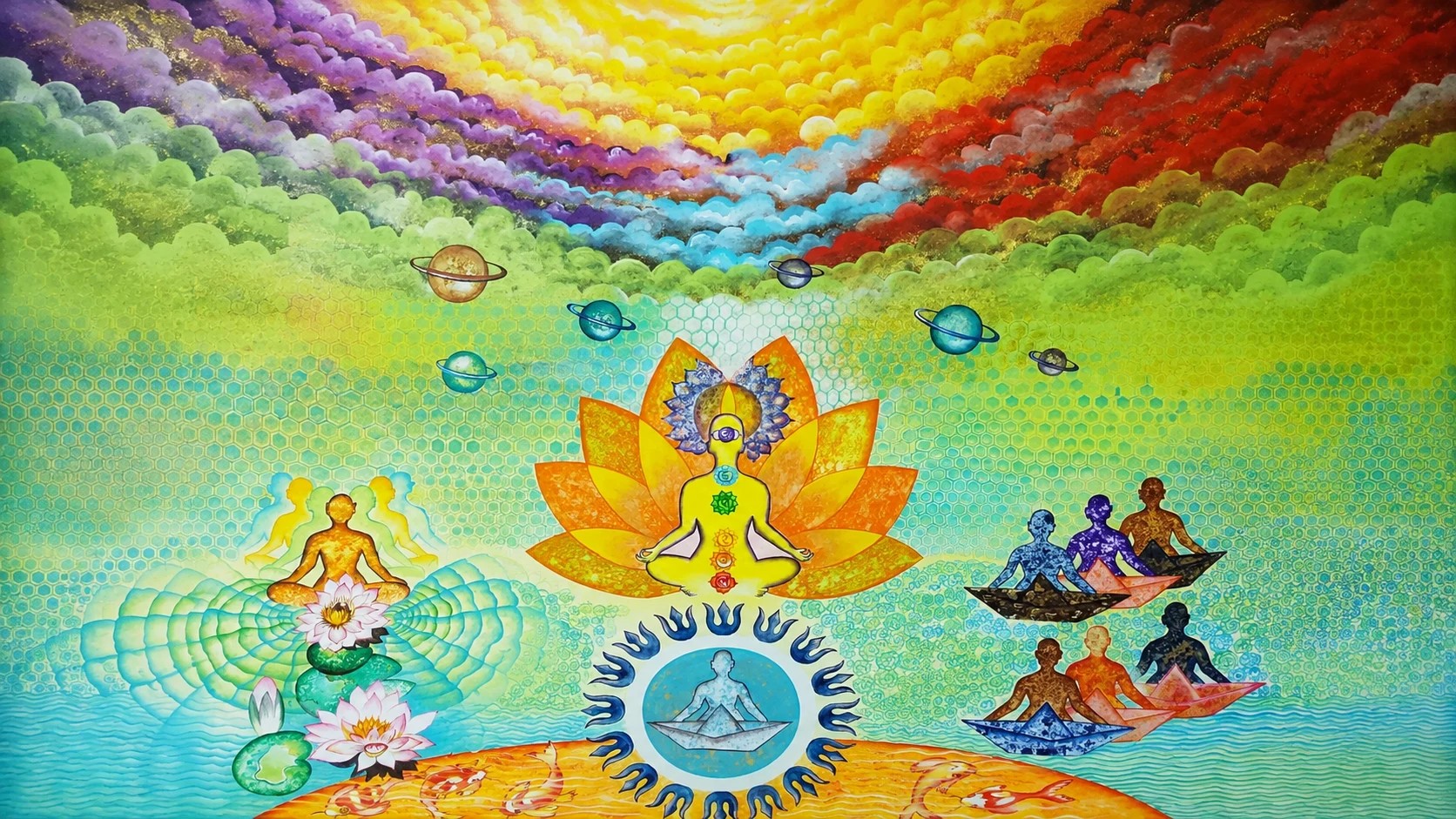
Ask most people why Hinduism has three principal gods - Brahma, Vishnu, and Shiva - and you'll get the textbook answer: Brahma creates, Vishnu preserves, Shiva destroys. It's accurate, but it's also strangely unsatisfying. Why would a tradition need a cosmic committee just to run the universe? And more importantly - what does any of it have to do with your Tuesday afternoon? Here's a different way to read it. Not as astrophysics, but as a manual. The Trinity Isn't Just About the Cosmos - It's About You Step back from "who created the universe" and look instead at what each god actually does, and who stands beside him. Vishnu doesn't just preserve galaxies. He preserves life - and he's never shown without Lakshmi, the goddess of wealth and abundance, because sustaining anything living requires resources. Food, shelter, money, medicine - the material means of staying alive and well. Brahma doesn't just originate matter. He originates thought - every idea, every plan, every story you tell yourself. And beside him stands Saraswati, goddess not of wealth but of discernment - the intellect that can tell a good idea from a self-serving lie. Shiva doesn't just end things. He represents what remains when everything endable has ended - consciousness itself, still, infinite, asking for nothing. He is shown not accumulating or scheming, but meditating. Read this way, the trinity isn't a story about how the universe began. It's a diagram of the three things every human life is actually built from: a body that needs care, a mind that needs discipline, and a spirit that needs stillness. Three Gods, Three Disciplines Put simply: Care for the body - with wealth: This is Vishnu and Lakshmi's territory. The body isn't something to transcend or ignore; it's something to maintain, and maintenance takes resources. Nutrition, medicine, shelter, financial stability - these aren't spiritually inferior concerns. They're the discipline of sustenance, and Hinduism gave it its own god and goddess because a tradition that starves its body isn't wise, it's careless. Govern the mind - with intellect: This is Brahma and Saraswati's territory. The mind never stops generating - plans, worries, justifications, stories. Left alone, it doesn't rest; it defends itself, often with lies it half-believes. Saraswati represents the discipline that keeps the mind honest: reason applied against your own ego, not just the world's. Merge the spirit - through meditation: This is Shiva's territory, and notably, he needs no consort to complete this one - Shakti here is not a separate helper but his own dynamic power turned inward. Where the body is cared for and the mind is governed, the spirit isn't managed at all - it's dissolved into. Meditation isn't another form of self-improvement; it's the one discipline aimed at un-becoming the self altogether. The Story That Makes This Concrete There's an old Shaiva myth - the Lingodbhava - that dramatizes this better than any explanation can. Vishnu and Brahma are arguing over who is greater. A pillar of infinite fire appears between them - Shiva, in his boundless form - and they're challenged to find either end of it. Vishnu, as the boar Varaha, digs downward into the earth for eternity and never finds the base. Brahma, as a swan, flies upward for eternity and never finds the top. Here's the part worth sitting with: Vishnu comes back and admits he failed. He simply couldn't reach the end - the body's effort has limits, and he says so. Brahma lies. He claims he did find the top, and even produces a flower as false evidence. Vishnu is honored for his honesty. Brahma is cursed - and it's said this is why, to this day, temples to Brahma are almost nonexistent in India, while Vishnu and Shiva are worshipped everywhere. The lesson isn't subtle: the body gets tired and tells the truth. The mind never tires - and that's exactly what makes it dangerous. Unchecked, it will manufacture whatever story protects itself. The myth rewards surrender over self-deception, effort honestly reported over cleverness dishonestly deployed. And at the center of it all stands Shiva - not competing, not measured, needing no beginning or end because he has none. The infinite doesn't have to prove itself. It simply is. So Why Three Gods? Because one god trying to do all three jobs would be a contradiction. The discipline that keeps you alive (accumulate, provide, sustain) is not the discipline that keeps you honest (question, refine, discern) - and neither of those is the discipline that dissolves the self (release, still, merge). They pull in different directions. Hinduism didn't force them into one figure; it gave each its own god, its own consort, its own myths - and then, through stories like the Lingodbhava, showed how they relate: the body should serve honestly, the mind should be watched carefully, and beneath both, unmoving, is the thing neither can measure. That's not a cosmology lesson. That's a life plan - one most of us are still trying to follow, whether we've read the myths or not. One Life: Live it well Sukhama Santhoshama Ananthama
Why Discipline of Knowledge Is the Foundation of All
Part of the Seven Disciplines series - why clarity of intellect (Viveka) is the essential ground upon which every other discipline rests.
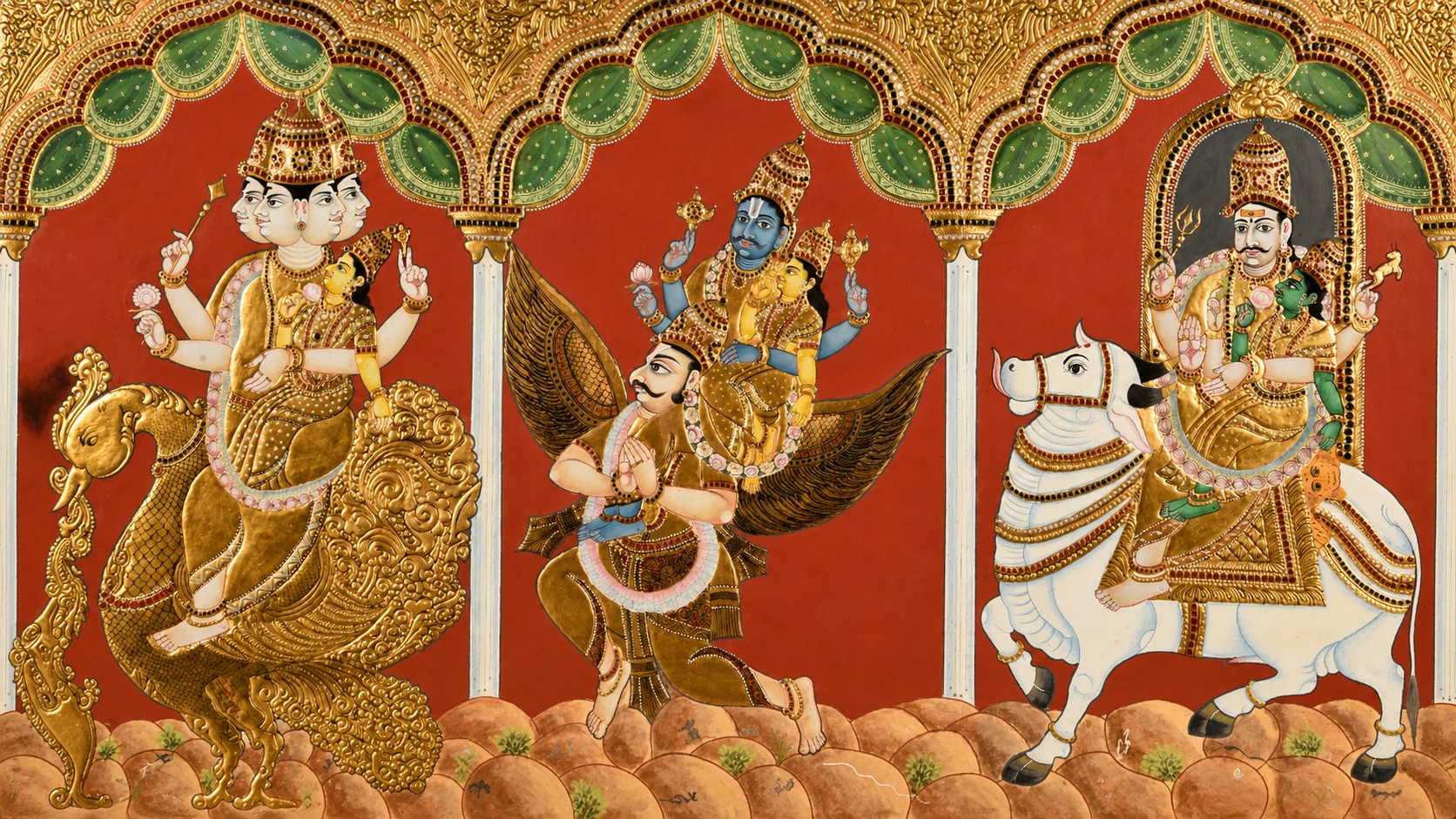
Among the seven disciplines that shape a life of right living - Knowledge, Body, Mind, Wealth, Duty, Purpose, and Spirit - one stands as the ground on which all the others are built: the Discipline of Knowledge, what our tradition calls Viveka, the discipline of the intellect. Without it, every other discipline eventually loses its way. The Only Weapon to Pierce Ignorance At the root of all human suffering lies one condition: ignorance of the truth. Not ignorance of facts, but a deeper confusion - not knowing who we truly are. This ignorance gives rise to man's oldest enemy, the ego: a false understanding of one's own identity, mistaking the temporary for the eternal and the self for the body, the job title, the bank balance, the opinions of strangers online. Only a sharp, disciplined intellect can pierce through this veil. Viveka - the power of discernment - is the one instrument capable of separating the real from the unreal, the eternal from the passing, and guiding a person back to the true Self. Not Just Our Tradition - Every Serious Tradition Found This First Here is what should give the modern seeker real confidence: this is not a claim you have to take on faith from one lineage. It is a conclusion that the world's major traditions of wisdom arrived at independently, with no contact between them. Adi Sankara wrote his seminal treatise, Viveka Chudamani - "the crest jewel of discrimination" - placing discernment at the very center of spiritual life. The most sacred of all mantras, the Gayatri Mantra, given to seekers at their most auspicious initiation, is at its heart a prayer for exactly this: clarity of thinking. Long before philosophy gave it a name, this tradition understood that a clear mind was the beginning of every spiritual pursuit. But travel west, to ancient Greece, and you find Aristotle building his entire system of ethics around a strikingly similar idea: phronesis , practical wisdom. He held that good intentions were not enough - a person needed the discernment to know which action was right, and why - and that this one intellectual virtue was the pillar supporting all the others: courage, justice, temperance. Without it, even a well-meaning person acts blindly. Travel further east, to the Buddha's teaching, and you find the same architecture again. The Noble Eightfold Path rests on three trainings - wisdom, ethical conduct, and concentration - and wisdom, prajna , is described as both the beginning and the end of the path. A mind burdened by confusion, the teaching says, cannot develop the clarity that everything else depends on. Three traditions. Three names - Viveka, Phronesis, Prajna. One shared discovery: clarity of intellect isn't one virtue among many. It's the doorway all the others walk through. Only the Intellect Can Tame the Mind The mind is famously the most uncontrollable force in existence - restless, wandering, easily clouded. A clouded mind is the single greatest obstacle on the path to truth. Yet the mind cannot discipline itself. Left alone, it simply follows its own momentum - toward the next notification, the next craving, the next old grievance. The mind can only be tamed by something above it: the intellect. And not by intellect alone, but by a clear intellect fused with unshakeable will - Vairagya , dispassion. Together, a sharp intellect and a firm will can turn the restless mind away from distraction and direct it steadily toward truth. Why This Is the Foundation for Every Other Discipline It's easy to state that the intellect is foundational. It's more useful to see exactly how: Body: A person without discernment eats what is advertised, not what nourishes; exercises out of vanity or not at all. A clear intellect knows the difference between caring for the body and being enslaved to its cravings. Wealth: Without viveka, money is chased for status or hoarded from fear. With it, wealth is earned honestly and used with purpose, because the person can see clearly what is enough. Duty: An undiscerning mind confuses duty with obligation forced by others, or abandons it under pressure. A clear intellect sees one's actual responsibilities and fulfils them without resentment. Purpose: Without discernment, purpose gets borrowed from family expectation or social comparison. With it, a person can distinguish their true calling from a well-dressed distraction. Mind and Spirit: As already seen, only a disciplined intellect can steady the mind at all, and it is that same clarity, matured into Gnanam, that ultimately allows the seeker to surrender at the feet of God. This is why the Discipline of Knowledge is not simply a discipline among seven - it is the lens through which the other six are correctly seen. Sharpen it, and every other discipline finds its right direction. Neglect it, and the other six are built on sand. Why This Matters More Today Than Ever The ancients diagnosed ignorance as scarcity of understanding. The modern seeker's ignorance looks different - it is distortion, not scarcity. We are not starved of information; we are drowning in it, and much of it is designed - by algorithms optimized for attention, not truth - to look convincing whether or not it's real. This is precisely why viveka is not an antique concept to be admired from a respectful distance. It is the exact faculty a person needs to scroll through a feed of half-truths and competing outrage and still ask: is this real, or does it only feel urgent? Is this mine, or did I just absorb it? The ancient sword that once cut through ego and false identity is the same sword needed today to cut through noise dressed up as knowledge. The battlefield has changed. The weapon required has not. How to Practice the Discipline of Intellect This is not abstract theory - it is a path that can be walked deliberately, in four steps: Pray for clarity: Before anything else, ask - sincerely, humbly - for clear thinking. This is the first and most honest admission that the mind cannot sharpen itself alone. Learn from scripture and from those who have walked the path: Study what is right, real, and eternal, not to accumulate facts but to borrow the discernment of those who have already seen clearly. Learn from your own experience: Watch cause and effect in your own life without flinching - where did clarity lead you well, and where did confusion cost you? This is where borrowed wisdom becomes your own. Practice vigilantly, without pause: Discernment is not a switch you flip once. Left unpracticed, it dulls; exercised daily, it sharpens - like any faculty, it either grows or it atrophies. Practice and grace are not opposites here - they are partners. The effort in these four steps is what prepares the ground; what finally dawns on that prepared ground, in its own time, is grace. Only Gnanam Can Infer the Truth God is beyond the reach of the intellect alone. It is only by grace that Gnanam - true, realized wisdom - can infer the truth to a sincere seeker. This is why Shiva is worshipped as the Ultimate Truth, and Shakti as Gnana Rupini, the very embodiment of that wisdom. Shiva and Shakti are inseparable - it is through Shakti's grace that Gnanam dawns upon the one who has prepared for it, and through that dawning, Shiva is finally realized. In Closing For the modern seeker, right living doesn't begin with willpower over the body, or discipline over wealth, or clarity of purpose - it begins one step earlier, with a mind capable of seeing clearly in the first place. Sharpen the intellect, and the body finds its right care, the mind finds its master, wealth finds its purpose, duty finds its clarity, purpose finds its direction, and the spirit finds its way home. In an age that will hand you a thousand convincing untruths before breakfast, this ancient discipline may be the most practical skill you will ever cultivate. Begin here. Begin with Viveka. One Life: Live it well Sukhama Santhoshama Ananthama
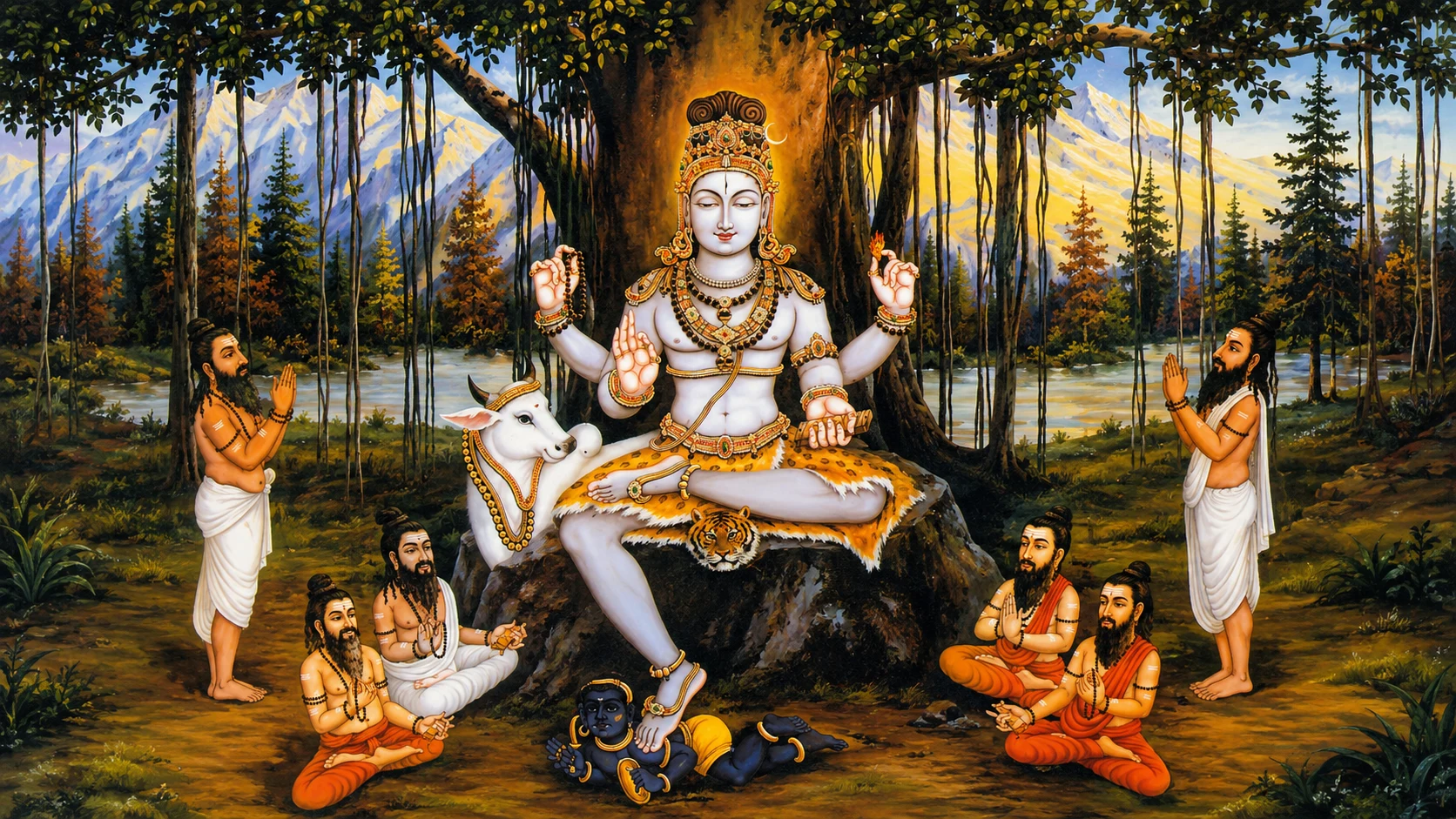
One Path, Two Voices: How Shivapuri Baba and Patanjali Both Show Us the Way Home
When you place Shivapuri Baba's Right Life next to Patanjali's Ashtanga Yoga, you discover the same universal blueprint: body prepares the ground, mind clears the weeds, spirit is the harvest.
There's a quiet comfort in discovering that two wise people, born centuries and worlds apart, arrived at the same truth using different words. That's exactly what happens when you place Shivapuri Baba's teaching of Right Life next to Patanjali's Ashtanga Yoga. One was a wandering saint who lived for over a century and walked the earth; the other was a sage who, over two thousand years ago, compiled the science of yoga into 196 crisp aphorisms. Yet both point to the same door: discipline the body, steady the mind, and the spirit reveals itself. Let's unpack this in plain language - no Sanskrit degree required. Who Was Shivapuri Baba? Shivapuri Baba - born Govindananda Bharati - was a Himalayan saint believed to have lived from 1826 to 1963, spending decades in intense penance in the Himalayas before God-realization, and then walking around most of the world to share what he had learned. His message wasn't complicated. He called it "Right Life," built on two simple pillars - discrimination (using your intelligence wisely) and devotion (love and surrender). And Right Life, he said, rests on three disciplines: Physical discipline: taking care of the body: cleanliness, moderation, good habits, and staying true to one's duty (swadharma) instead of chasing useless distractions. Moral discipline: taming the mind: truthfulness, self-control, good behaviour, and responsibility toward others. This is what brings harmony into family and society. Spiritual discipline: turning toward God or your own deeper self through prayer and contemplation, which finally removes ignorance and grants lasting peace. His logic was refreshingly practical: a healthy body gives you pleasure, a disciplined mind gives you serenity, but only spiritual discipline gives you real, permanent peace - because everything else dies with the body. Only this third layer is untouched by death. Who Was Patanjali, and What Is Ashtanga Yoga? Patanjali is considered the father of classical yoga. In his Yoga Sutras, he lays out an eight-limbed path - Ashtanga Yoga - as a step-by-step method to still the mind and realize the Self. The eight limbs are: Yama: restraints (non-violence, truthfulness, non-stealing, moderation, non-greed) Niyama: observances (cleanliness, contentment, discipline, self-study, surrender to God) Asana: physical postures and stability Pranayama: conscious breath control Pratyahara: withdrawing the senses from external distraction Dharana: single-pointed concentration Dhyana: sustained meditation Samadhi: union, the final dissolving into pure awareness At first glance, eight limbs look far more elaborate than three disciplines. But group them together, and something interesting happens. The Same Map, Drawn Twice Shivapuri Baba's Discipline Patanjali's Limbs What It's Really About Physical Discipline Yama, Niyama, Asana Ethical living, clean habits, and a healthy, steady body - the ground floor of any spiritual life Moral / Mental Discipline Pranayama, Pratyahara, Dharana Controlling the breath and senses so the restless mind stops running outward and starts turning inward Spiritual Discipline Dhyana, Samadhi Deep meditation dissolving into union with the Self or God - the final freedom Look closely and you'll notice both teachers are saying: you cannot skip steps. You can't meditate your way to enlightenment while ignoring your health and your ethics, and you can't call yourself disciplined just because you eat well and exercise if your mind is still full of anger, greed, and restlessness. Body prepares the ground. Mind clears the weeds. Spirit is the harvest. Why This Matters for a Common Man Most of us aren't going to renounce the world and meditate in a Himalayan cave. Both Shivapuri Baba and Patanjali knew that - and neither of them asked us to. Shivapuri Baba was explicit that withdrawal from the world doesn't mean rejecting it; it means cutting out only what's unnecessary. Patanjali's Yamas and Niyamas are things any householder, employee, or parent can practice at the breakfast table. Here's what the overlap actually means for daily life: Start with the body: Sleep on time, eat with moderation, keep your surroundings and habits clean. This isn't vanity - both traditions treat it as spiritual groundwork, not a separate "fitness" activity. Then work on the mind: Practice truthfulness, keep your word, control your temper, and don't let your senses run the show - whether that's food, screens, or gossip. This is where breath-awareness (even five minutes of quiet breathing) does real work. Only then does the spirit open: Real peace, both teachers agree, doesn't come from pleasure (which fades) or even serenity (which can be disturbed) - it comes from a settled inward stillness that doesn't depend on outer circumstances at all. A Modern Update: The Seven Disciplines of the Sri Murugan Research Centre Three disciplines are elegant. Eight limbs are precise. But if you're a working professional trying to actually live this, both frameworks quietly assume things like "duty," "career," and "money" are just minor details tucked inside "physical discipline." The Sri Murugan Research Centre (SMRC), based in Madurai, takes Shivapuri Baba's original three-fold teaching and unpacks it into seven disciplines - explicitly built as a practical, modern curriculum for householders, not renunciates. It even opens with a line attributed to Shivapuri Baba himself: worldly duty isn't a distraction from the spiritual path, it's the very foyer you must pass through to reach it. The seven disciplines are: Knowledge (Jnana): sharpening the intellect to tell right from wrong (viveka) instead of drifting on emotional impulse. Body (Kaya): treating the body as a disciplined instrument, resting on three pillars: eating for health rather than craving, hygiene, and 7–8 hours of proper sleep. Mind (Manas): tending the mind like a garden, weeding out fear, anger, and arrogance while cultivating truthfulness, compassion, and calm. Wealth (Artha): earning, saving, and spending ethically, so money serves your duties instead of your vanity or ego. Duties (Dharma): honouring obligations across four widening circles: yourself, your family, your profession, and society. Purpose (Paropakara): moving from self-interest to genuinely leaving people and places better than you found them. Spirit (Atman): the final stage of meditation, love, and self-realization, where the sense of separate self dissolves. Shivapuri Baba (3) Patanjali's Ashtanga (8) SMRC Framework (7) Physical Discipline Yama, Niyama, Asana Body, Wealth Moral / Mental Discipline Pranayama, Pratyahara, Dharana Knowledge, Mind, Duties, Purpose Spiritual Discipline Dhyana, Samadhi Spirit Notice what SMRC has done: it hasn't invented anything new - it has simply given career, money, and social contribution their own named seat at the table, instead of leaving them implied inside "physical" or "moral" discipline. For a common man juggling a job, a family, and bills, that's the difference between an abstract philosophy and something you can actually check yourself against on a Monday morning. Turning It Into a Daily Routine Here is how the seven disciplines translate into an ordinary day - no cave, no renunciation required: Morning (Knowledge & Body): Before checking your phone, take a few minutes to set an intention for the day (Jnana). Follow with basic movement, a proper breakfast, and a fixed sleep-wake rhythm the night before (Kaya). At work (Wealth & Duties): Do your job with integrity rather than cutting corners; spend and save with discipline rather than impulse purchases. Showing up honestly to your desk is the practice, not a break from it. Through the day (Mind): Notice when anger, comparison, or anxiety show up, and consciously choose the opposite response - this is the "gardening" SMRC describes, done in real time during a stressful meeting or traffic jam. Evenings (Purpose): Ask a simple daily question: did I leave someone or something better than I found it today, even in a small way? A helpful word, a fair decision, an act of patience - this is Paropakara in miniature. Before sleep (Spirit): Ten quiet minutes of prayer, reflection, or meditation, letting go of the day's roles - employee, parent, spouse - and simply resting in stillness. SMRC also suggests a seven-week reflective practice - spending one full week focused on each discipline, asking yourself a pointed question daily. Pick one discipline a week, ask yourself one honest question about it each evening, and let the awareness itself do the shaping. The Real Takeaway Three disciplines, eight limbs, seven modern categories - strip away the numbers and the Sanskrit, and Shivapuri Baba, Patanjali, and SMRC are all describing the same instruction manual for being human. All three insist that enlightenment is not an escape from ordinary life - it's what happens when ordinary life, including your job and your bank balance, is lived with total sincerity, one layer at a time: a cared-for body, an honest mind, duties done in full, and finally, a spirit that has stopped searching because it has found what it was looking for all along. You don't need a Himalayan cave or a Sanskrit scholar to begin. You just need to start where you are - with the body, the desk, and the family you already have. One Life: Live it well Sukhama Santhoshama Ananthama
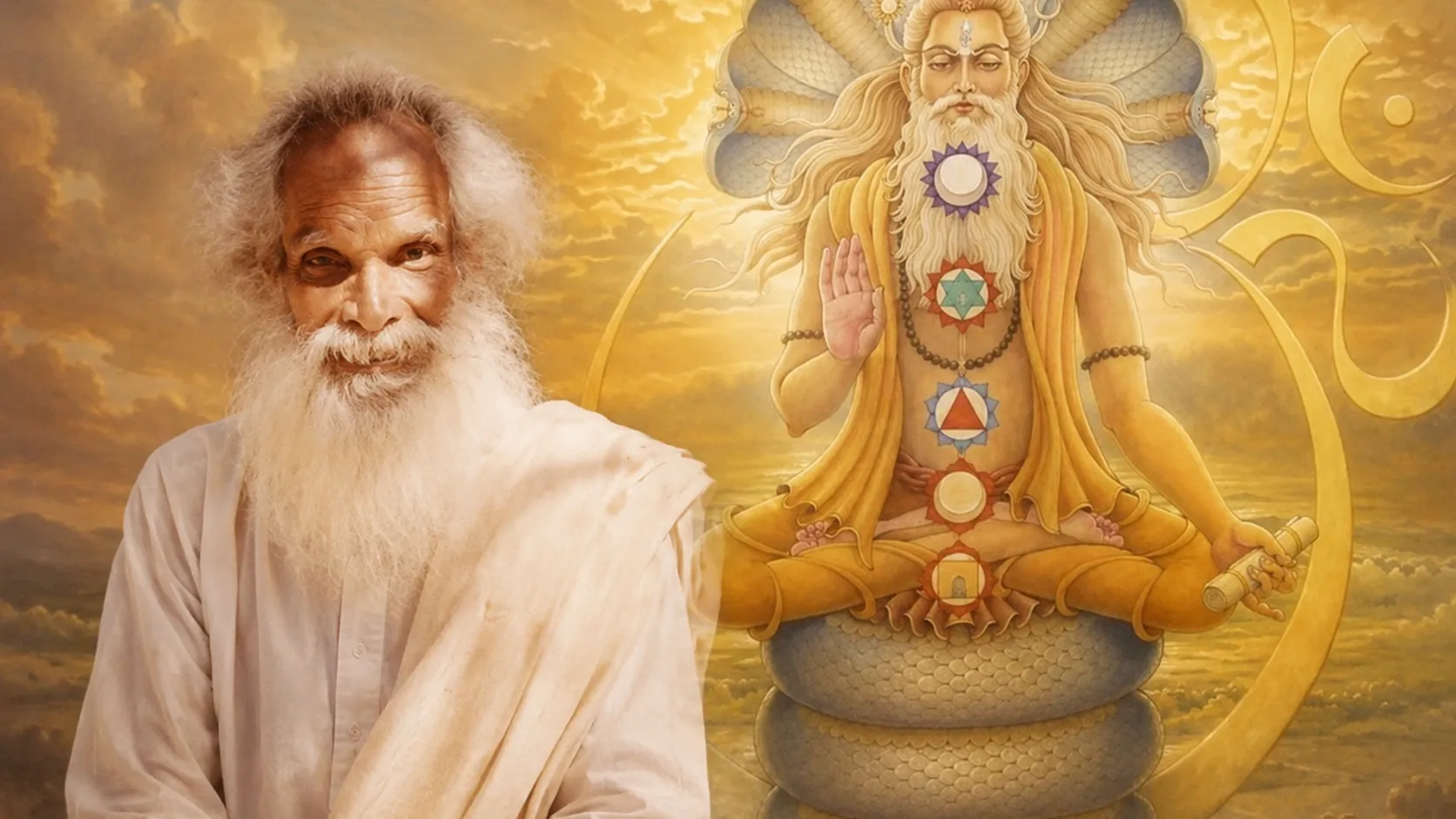
The Hill of Knowledge: Divine Grace Unfolds at Kakabujandar Malai
On the sacred slopes of Thiruparankundram, where siddhars once meditated for gnana, a new chapter of learning and research begins.
On the sacred slopes of Thiruparankundram, where siddhars once meditated for gnana, a new chapter of learning begins. There are places in Tamil Nadu that do not merely hold history - they hold intention. Thiruparankundram, one of the six sacred abodes of Lord Murugan, is one such place. And on its northeastern slope rises a hillock known to devotees and siddha tradition as Kakabujandar Malai - named after Siddhar Kakabujandar, revered as one of the eighteen great siddhars of the Tamil tradition. It is in this very landscape, steeped in centuries of tapas and gnana, that the Sri Murugan Research Centre (SMRC) has now been established on the slopes of this hillock - and for those who know the spiritual weight this land carries, this is no coincidence. It is, as devotees would say, the unfolding of divine will - Muruga Kirupai , the grace of Lord Murugan himself, choosing this ground once again to be a seat of learning. A Land Consecrated by Siddhas Long before any modern institution stood here, this hillock was already sacred ground for the pursuit of knowledge in its highest form. Tradition holds that Siddhar Kakabujandar himself dwelt and meditated on this very hill - and it is from his presence that the hillock draws its name. He was not alone. Across generations, this same soil drew some of the most revered names in the siddha lineage to walk its slopes in search of gnana: Machamuni Siddhar (Nondi Siddhar): whose jeeva samadhi rests atop Thiruparankundram hill at the Kasi Viswanathar temple, and who - siddha tradition holds - received esoteric teachings connected to Kakabujandar himself. Soottukkole Mayandi Swamigal: who, after years of wandering and after attaining Nirvikalpa Samadhi at the Pothigai Hills, chose to settle permanently at the foothill of this very hillock, dedicating his life to spreading bhakthi among the people of the region. Somappa Swamigal: who arrived at this hillock during the construction of the Bala Dhandapani temple at its summit, and remained here in deep tapas for decades. Generation after generation, siddha after siddha, this hillock kept calling seekers of truth to itself. Why would so many masters of yoga, alchemy, and inner science converge upon one modest hill near Madurai, if not because the land itself carries a vibration uniquely suited to awakening? Thiruparankundram as Mooladhara - The Root of Inner Ascent In the subtle geography that devotees and yogic tradition draw across sacred landscapes, Thiruparankundram is regarded by many as embodying the Mooladhara Chakra - the root chakra, the very foundation from which all spiritual energy rises. It is fitting, then, that this should be the first of Murugan's six abodes (Arupadai Veedu) - for the root is always the beginning. Just as the Mooladhara is the seat from which kundalini shakti begins its ascent toward higher awareness, Thiruparankundram stands as the grounding point, the foundation stone, from which the seeker's journey toward gnana (wisdom) and viveka (discernment) begins. It is no wonder, in this understanding, that a hillock resting within this very energy field became the chosen ground for siddhas across centuries to pursue the highest knowledge - not worldly information, but gnana: direct, discriminative wisdom. This hillock was never simply a hill. It was a laboratory of the inner sciences, a quiet university of the soul, long before the word "university" existed. Grace Repeating Itself When we look at what has grown around this land in modern times - Thiagarajar College of Engineering, Kendriya Vidyalaya, and now the Sri Murugan Research Centre rising on the very slopes of Kakabujandar Malai - it is hard, for those with faith, not to see a thread of continuity here. The siddhas came to this land to seek knowledge in the deepest, most inward sense. Centuries later, institutions of learning have risen on the same soil, seeking knowledge in the outward, structured sense of modern research and education. Two different languages - gnana and research, tapas and technology - describing what may be, at its root, the same impulse: the pull of a sacred hill that has always called seekers of truth to itself. For devotees, the founding of the Sri Murugan Research Centre here is more than an institutional milestone. It is felt as a continuation of Muruga's own grace over this land - the same Lord who chose Thiruparankundram as his first abode among the six, now presiding once more as knowledge takes new form on the same slopes where Kakabujandar, Machamuni, Mayandi Swamigal, and Somappa Swamigal once sat in silence, seeking the light of gnana. A Living Tradition, Still Unfolding What makes Kakabujandar Malai remarkable is that its story has never really stopped being written. It began - in devotional memory - with a siddha who is remembered as the very embodiment of knowledge in the siddha lineage. It continued through generations of saints who were drawn, almost magnetically, to walk the same ground in pursuit of the same light. And it continues today, as new seekers - students, researchers, scholars - arrive at the foot of the same hill, to pursue knowledge of their own kind. Whether one arrives at Kakabujandar Malai as a pilgrim seeking blessings, a student pursuing a degree, or a researcher chasing an idea - the land, in the eyes of the devoted, is quietly doing what it has always done: drawing knowledge-seekers to itself, and offering its ancient grace to whoever comes with sincerity. Vetrivel Veeravel Muruganukku Arohara. This piece reflects devotional tradition and local siddha-lineage beliefs associated with Thiruparankundram and Kakabujandar Malai, as passed down among devotees and researchers of the region. One Life: Live it well Sukhama Santhoshama Ananthama
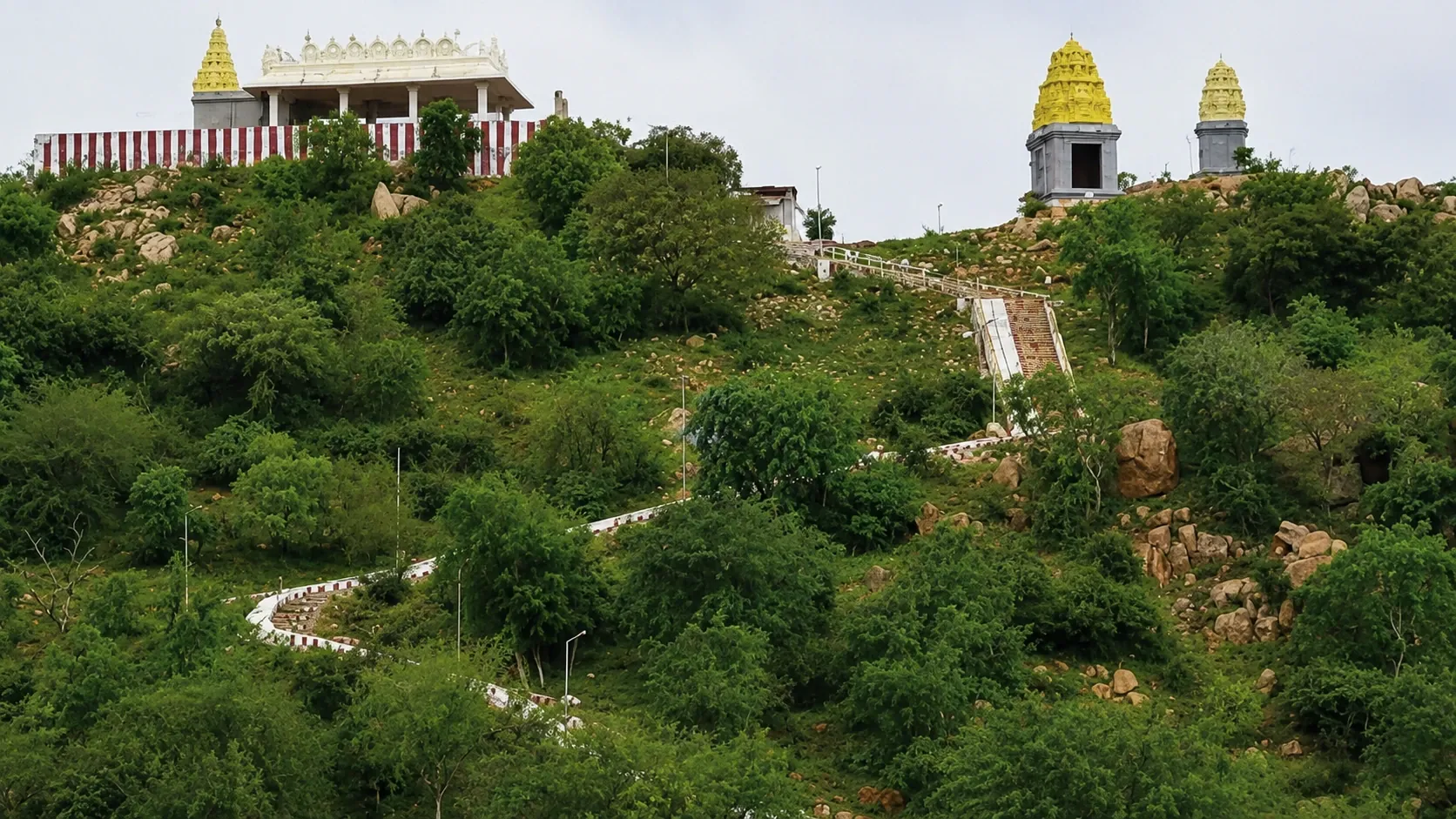
The Ocean You Already Are
Beyond the turbulence of thoughts and fears lies an undisturbed stillness - discover why the wave was never separate from the ocean.
There's an old image that contemplative traditions return to again and again: a wave, rising and falling on the surface of the sea. While the wave is caught up in its own motion - climbing, cresting, breaking, fearing its own end - it experiences itself as separate. Small. Temporary. Alone against the vastness around it. But the moment the wave settles, it doesn't disappear. It discovers something it could never have seen while it was busy being a wave: it was never anything other than the ocean to begin with. The shape was real. The separateness never was. The Same Is True of the Mind This is more than a poetic image - it's a map of something that happens inside every one of us. The mind, when it's turbulent, behaves exactly like that wave. Caught in constant motion - thoughts chasing thoughts, wanting this, fearing that, defending an idea of "who I am" - it mistakes its own agitation for its identity. We come to believe we are the noise: the opinions, the anxieties, the roles we perform, the stories we tell about ourselves. But when the mind actually settles - not suppressed, not forced into silence, just quiet - what remains isn't emptiness. It's shanthi . Peace. Not the fragile peace of nothing going wrong, but the steady peace that was underneath the noise all along, the way the ocean was always underneath the wave. In That Peace, Something More Is Revealed Shanthi , once it settles in, doesn't just sit there quietly. Within it, something else begins to be experienced: anandam - bliss. Not excitement, not pleasure chasing a cause, but a fullness that needs nothing added to it. This is the state the sages describe as fulfillment - not the fulfillment of having achieved or acquired something, but the fulfillment of having stopped searching, because what was being searched for was never missing. It was the seeker itself. Why This Matters for How We Live This isn't just a nice thought for a quiet moment of reflection - it's one of the truest and most practical insights available for how we approach daily life. Most of what disturbs us - the comparisons, the fears, the restless wanting - comes from living entirely as the wave, convinced that our disturbed motion is all there is. The moment we make space for the mind to settle, even briefly, we get to remember what we actually are underneath the motion. This is why traditions across the world treat stillness - meditation, quiet reflection, honest self-inquiry - not as relaxation techniques, but as tools of self-knowledge. The stillness itself isn't the goal. What the stillness reveals is the goal. You don't have to become the ocean. You already are the ocean, momentarily wearing the shape of a wave. All that's asked is that you stop resisting long enough to remember it. One Life: Live it well Sukhama Santhoshama Ananthama

The Flow of Grace: From Bakthi to Anantham
A reflection on the Discipline of Spirit - how divine grace softens the heart, settles into peace, blossoms into wisdom, and ripens into bliss.
There is a sequence to the spiritual life. It is not a ladder we climb by force, and it is not a destination we arrive at by planning. It is a flow - the way a river finds the sea, the way morning light finds a room without being told which corner to fill first. It begins, always, with Grace. The Seed: Grace of God Nothing spiritual begins with our own effort. Before we ever reach for the divine, the divine has already reached for us. Grace is not a reward we earn through discipline - it is the very ground discipline stands on. It is the quiet permission that makes seeking possible at all. Most of us miss this. We think devotion is something we generate through willpower, that peace is something we manufacture through technique, that wisdom is something we accumulate through study. But look closely at any moment of real spiritual opening in your life, and you will find grace was already there, waiting, before you noticed it. The First Bloom: Bakthi (Divine Love) When grace is received - even unknowingly - it does not stay still. It moves the heart. This movement is Bakthi: devotion, divine love, the softening of the self toward something larger than itself. Bakthi is not sentimental. It is not merely emotion. It is the heart’s recognition that it is not alone, that it belongs to something vast and benevolent, and that this belonging is worth turning toward, again and again, in small daily acts of remembrance. This is why every spiritual tradition begins here - not with philosophy, but with love. Because love is the only force strong enough to turn a mind that has spent its whole life turned outward. The Settling: Shanthi (Divine Peace) Love that is real does not agitate - it settles. This is the paradox people often miss: true Bakthi does not create longing and restlessness forever. Given time, it matures into Shanthi, divine peace. This is not the peace of having nothing left to want. It is the peace of having found the one thing worth wanting, so that all the smaller wants quiet down on their own. The heart that loves God stops grasping at a hundred lesser things, because it has already found what it was grasping for. Peace, in this sense, is not the absence of a storm. It is what remains once you know which shore you’re swimming toward. The Blossoming: Gnanam (Divine Wisdom) Only in a settled heart does true wisdom appear. This is why Gnanam - divine wisdom - is placed here in the sequence, and not at the beginning. A restless mind can accumulate facts, opinions, even scriptures. But wisdom is different from knowledge. Wisdom is seeing clearly, and clear seeing requires a still surface. Just as a lake must be calm before it can mirror the moon, the mind must be at peace before it can mirror the truth. This is why the ancients never rushed a seeker toward wisdom. They knew that wisdom forced onto an unsettled heart becomes mere information - clever, perhaps, but lifeless. Wisdom that blossoms from peace becomes understanding - something lived, not just known. The Fruit: Anantham (Divine Bliss - Complete Fulfillment) And then, quietly, without being chased, the fruit ripens: Anantham - divine bliss, complete fulfillment. This is not happiness as the world knows it, dependent on circumstance and prone to vanish with the next disappointment. This is fulfillment that asks nothing more of life, because it has already touched what life was pointing toward all along. It is the state in which grace, having moved through love, settled into peace, and blossomed into wisdom, finally rests in itself - complete. The Discipline of Spirit This is why Spirit is counted among the disciplines of a well-lived life - not as an escape from the world, but as its quiet foundation. A person walking this sequence does not need to abandon their duties, their body, their mind, or their purpose. Instead, this inner flow becomes the current beneath all the others - the grace that makes love possible, the love that makes peace possible, the peace that makes wisdom possible, and the wisdom that ripens, finally, into bliss. It cannot be rushed. It cannot be forced. It can only be allowed. Grace → Bakthi → Shanthi → Gnanam → Anantham. This is the flow of the disciplined spirit - and it is available, right now, to anyone willing to receive it. One Life: Live it well Sukhama Santhoshama Ananthama
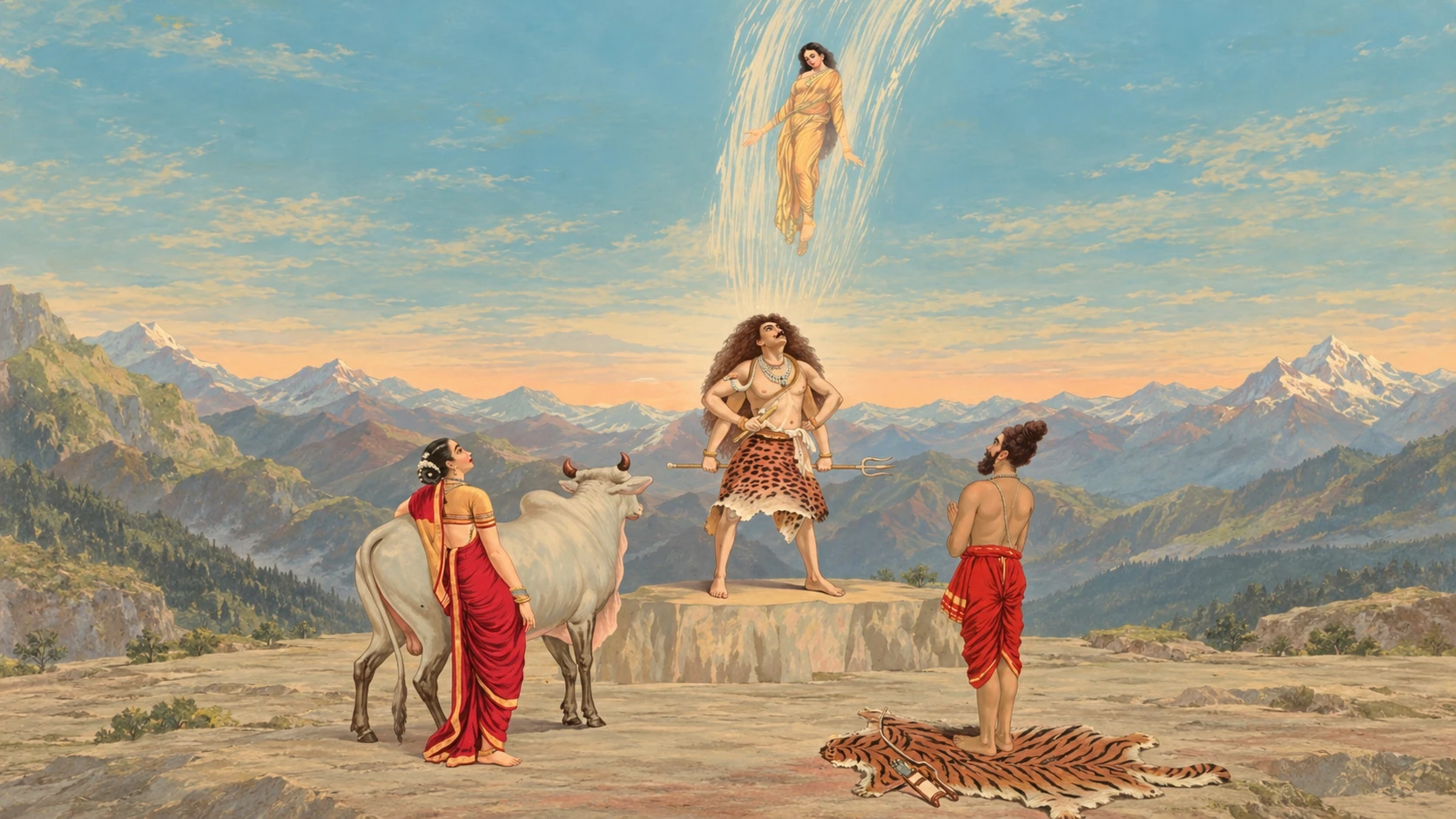
The Witness Within: The Heart of the Seventh Discipline
Beyond the chatter of thoughts and fears lies an untouched presence that simply sees - discover the silent screen of consciousness upon which life unfolds.
There is a moment - perhaps you have felt it - when the mind falls quiet. Not empty in a dull way, but still. No chatter, no argument, no rehearsal of the past or the future. Just awareness, plain and clear. In that stillness, something remains. Not a thought. Not a feeling. Not even "you" in the way you usually understand yourself. What remains is a quiet presence that simply sees - a Witness. This is the essence of the Seventh Discipline: Spirit. Every discipline we practice - of body, mind, money, duties, purpose, knowledge - is in some sense a preparation for this one recognition. Because underneath all the doing, there is a being that never changes. And discovering it is the truest work of a human life. What Is the Witness? The Witness is the part of you that observes everything else - your thoughts as they arise, your emotions as they pass, the world as it changes around you - without itself being disturbed by any of it. It is not created. It cannot be built through effort, willed into existence, or manufactured by belief. It is discovered - uncovered, the way a lamp reveals a room that was dark but always there. It has existed at your core eternally, quietly waiting beneath the noise of daily life. Beyond forms and thoughts, beyond the constant traffic of the mind, this Witness is limitless and self-sustaining. It needs nothing outside itself to exist. It is unaffected by outer changes - praise or blame, gain or loss, joy or sorrow - because it stands prior to all of them. It is a witness at complete peace. A complete and perfect witness. The Screen and the Pictures Perhaps the simplest way to understand this is through an image many seekers have used across centuries: think of a cinema screen. Images appear on it - a storm, a celebration, a tragedy, a triumph. The screen shows all of it faithfully. And yet, whatever passes across it, the screen itself remains untouched. It does not tear during the storm or brighten during the celebration. It simply is, allowing everything to appear, without ever becoming what appears. You are that screen. Your thoughts, moods, achievements, and losses are the pictures. Most of us live believing we are the pictures - anxious when a difficult scene plays, elated when a pleasant one does. But the Seventh Discipline invites a deeper identification: with the screen, not the show. It Never Leaves You Here is the quiet promise at the center of this teaching: the Witness never departs. It is present in every single second of your existence, whether you notice it or not. It was there in your most peaceful moment and in your most chaotic one. It does not arrive when you meditate and vanish when you stop - it is simply there, constant, as the silent backdrop of every experience you will ever have. Once you have recognized it - even once, even briefly - you gain the ability to return to it. Not because you created a new skill, but because you remembered something you had simply overlooked. From that point forward, in any place, at any time, in the middle of work or worry or celebration, you can turn inward and find that same silent witness at your core, patiently present as it always was. Why This Matters This is not an abstract philosophical curiosity. The more time you spend resting in that state of awareness, the more you live in complete peace. It offers a satisfaction that no external achievement can rival - not power, not money, not name, not fame. These things are pleasant, but they are pictures on the screen; they come and go. The Witness, by contrast, offers something that does not come and go. The deeper this state is inhabited, the more the body itself seems to respond - a pervasive sense of ease, as though every cell and every hair root rests in a pleasant, settled state. This is the bliss the ancient teachers spoke of - not an emotional high, but a steady, quiet contentment that has nothing to prove and nothing to chase. Living the Seventh Discipline To practice Spirit as a discipline is, in essence, to practice remembering the Witness - again and again, in stillness and in activity, until the remembering becomes natural. It is not achieved by force. It is uncovered through patience, through returning to silence whenever the mind allows it, and through gently loosening our grip on the belief that we are only the pictures on the screen. Every other discipline in the One Life framework - caring for the body, disciplining the mind, honoring our duties, fulfilling our purpose, seeking knowledge, managing our resources - ultimately serves this recognition. They clear the space. The Seventh Discipline is where the space itself is finally seen. You do not need to become the Witness. You already are. The invitation is only to discover it. One Life: Live it well Sukhama Santhoshama Ananthama
You Are Not Missing Peace. You Are Peace, Interrupted.
Stop chasing bliss like a prize at the finish line - discover the stillness that was never missing, patiently waiting beneath the noise.
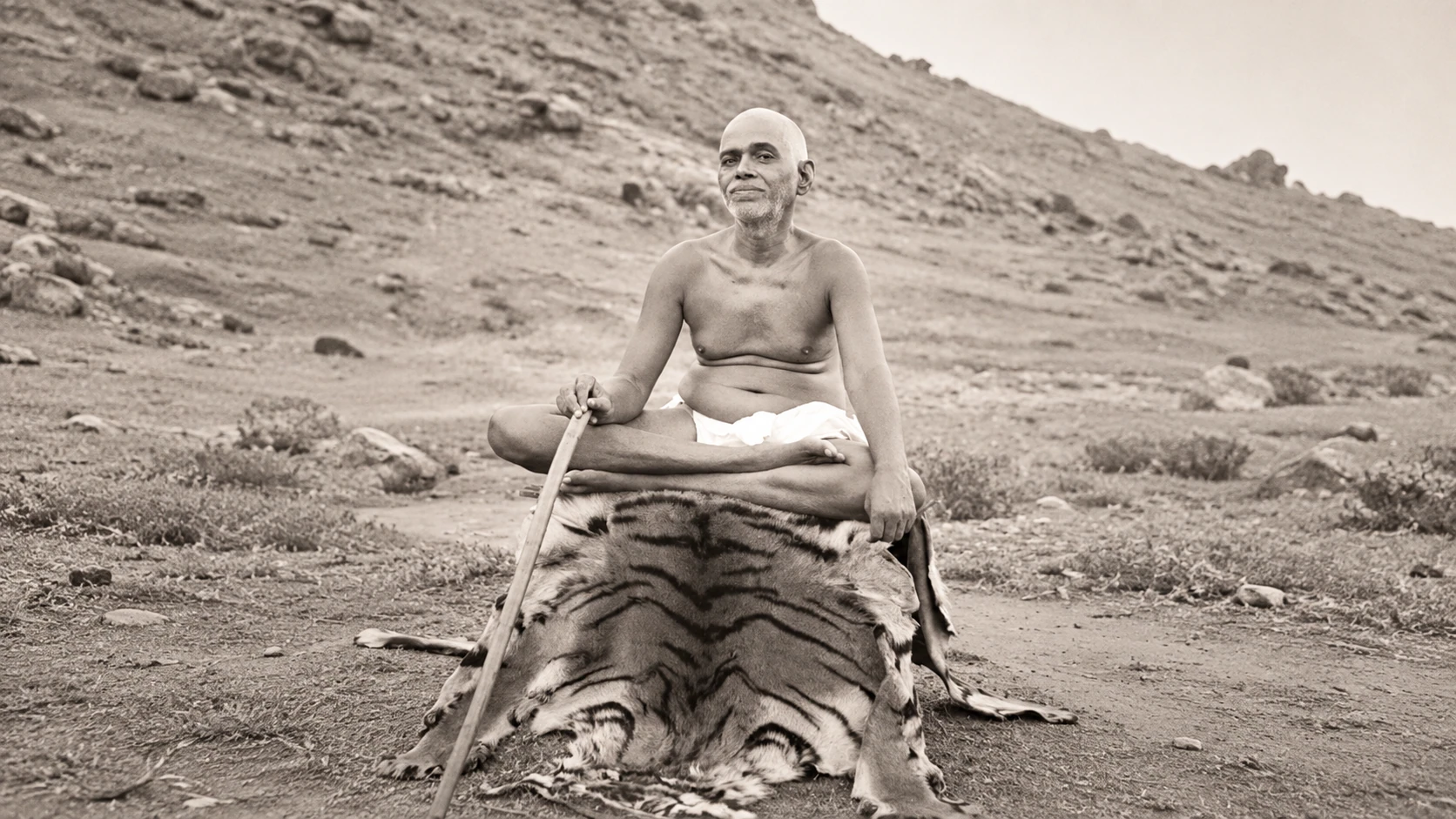
Stop for a second and just notice - before you think about anything, before you judge, want, or worry - something is simply there. Quiet. Awake. Untroubled. That something is you. And it never left. What Bliss Actually Is Most of us spend our whole lives chasing bliss like it's somewhere else - in the next achievement, the next relationship, the next holiday. We treat it like a prize waiting at the finish line. But it isn't. Bliss isn't something you earn or find. It's what's already here, underneath all the noise - the thinking, the worrying, the comparing, the wanting. That noise is not who you are. It's just weather passing over the sky. And you are the sky. When the noise quiets down, even for a moment, nothing new arrives. Nothing needs to. What was always there simply becomes noticeable again. That noticing - calm, full, needing nothing - is bliss. Why We Miss It We miss it because the mind never stops commenting. It labels everything, judges everything, replays the past, rehearses the future. It's so loud and so constant that we start to believe we are the commentary. We are not. You can watch your own thoughts - worry comes, you notice it; anger comes, you notice it; it passes, you're still there. Whoever is doing that noticing was never touched by any of it. That quiet noticer is the real you. And it has been at peace this whole time. The Same Truth, Everywhere, Always Here's something remarkable: people all over the world, in every age, with no way of talking to each other, arrived at this exact same understanding. In India, the ancient sages said "Tat Tvam Asi" - "you are that" - meaning the stillness you seek and the self you are, are one and the same. Ramana Maharshi simply asked people to ask "Who am I?" until the questioner itself fell silent. The Buddha taught that suffering ends not by getting more, but by the mind's endless craving falling still. Lao Tzu in China said the deepest truth can't even be spoken - only found in effortless quiet. Rumi, the Sufi poet, wrote of the drop realizing it was the ocean all along. Christian mystics like Meister Eckhart spoke of a stillness beyond every image the mind could paint of God. Different words, different centuries, different corners of the earth - same discovery. That kind of agreement, without any of them comparing notes, is not a coincidence. It's a signpost. What This Means for You You don't need to become someone new to feel this peace. You don't need to fix your life first, or wait for the right conditions. You just need to notice - again and again, patiently - that you are not your racing thoughts. You are what's watching them. Every discipline that helps you live well - caring for the body, steadying the mind, doing your duties without resentment, living with purpose - all of it is simply clearing away the noise so that this quiet truth can be seen again. It was never far away. It was never missing. It was waiting, patiently, under everything you called "me." You are not missing peace. You are peace, momentarily interrupted by the noise of the world. Remember the sky. One Life: Live it well Sukhama Santhoshama Ananthama
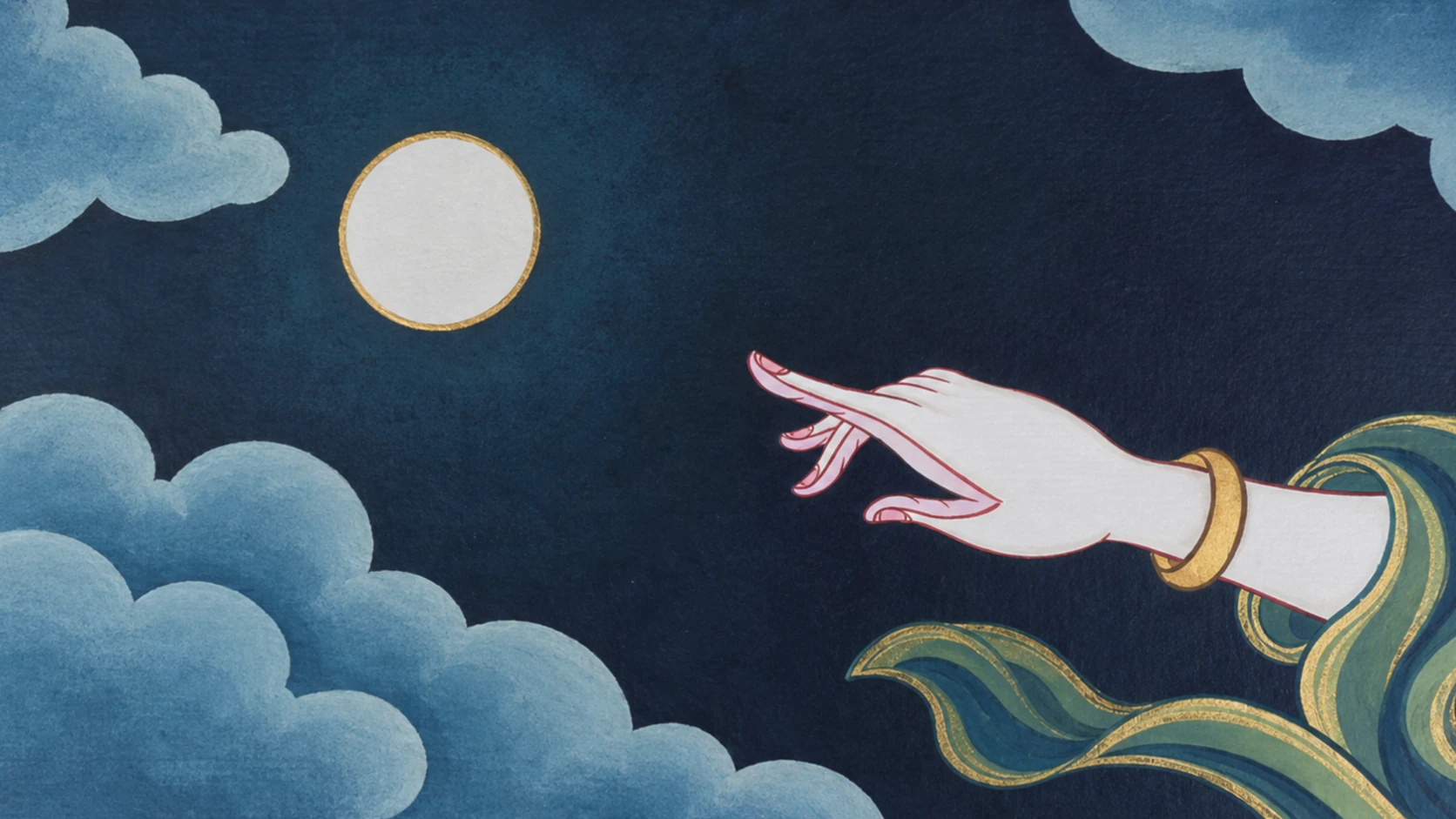
One Witness, A Thousand Fingers Pointing at the Moon
Strip away ritual and geography, and every contemplative tradition describes the same discovery - the silent awareness at the heart of human experience.
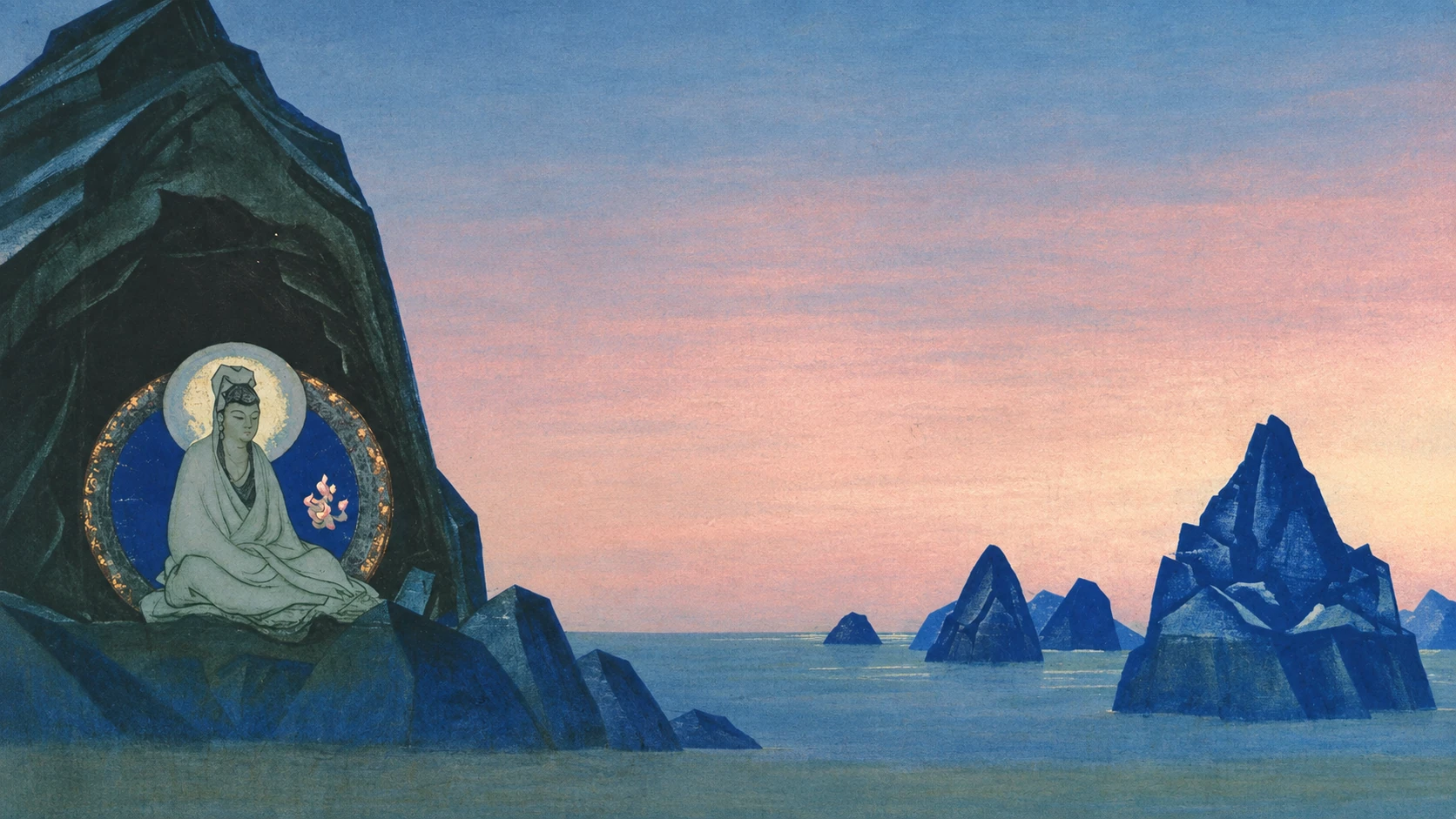
Strip away the language, the ritual, the century, and the geography - and a strange thing happens. The saints, sages, and mystics of every tradition start to sound like they are describing the very same experience. Not a shared belief. Not a shared doctrine. A shared discovery. They call it different names - the Self, the Witness, the Kingdom of God, the Buddha-nature, the ground of the soul, the inner light. But strip the names away, and what remains is identical: a silent, unmoving awareness at the center of every person, untouched by circumstance, discovered rather than believed in. This is the truth the Seventh Discipline points toward - not a philosophy to accept, and not a religion to join, but a plain fact of experience waiting to be noticed. Here is how some of the enlightened souls across history have each pointed at it, in their own words and their own way. The Vedic and Vedantic Sages Ramana Maharshi: His entire teaching reduced to one question - "Who am I?" - turning attention backward until only the silent witness behind the question remained. He insisted this Self was never absent, only overlooked. Nisargadatta Maharaj: In his conversations recorded as I Am That , he described "witness consciousness" as prior to any sense of being a body or a mind - something to abide in, not something to attain. Adi Shankaracharya: He gave this witness a name - Sakshi - and showed it to be the one constant across waking, dreaming, and deep sleep, unchanged no matter which state the mind moves through. The Upanishadic Rishis: Long before any of them, the unnamed sages of the Upanishads described the Atman as the silent seer within - unborn, eternal, untouched by the body's changes. Ashtavakra: To a young king, he taught that the search itself was the obstacle - one is already the witnessing awareness, free before any effort begins. Sri Ramakrishna and Sri Aurobindo: Ramakrishna spoke of this same recognition as Sat-Chit-Ananda , existence-consciousness-bliss, tasted directly in deep meditation. Aurobindo described a witness consciousness quietly underlying every movement of mind and nature. The Buddhist Path The Buddha did not describe a soul to be found, yet he pointed at the same clearing: a bare awareness that knows experience without clinging to it. Centuries later, Zen masters such as Bodhidharma, Huang Po, and Dogen distilled this into the practice of simply sitting - shikantaza - resting in awareness itself, before a single thought arises. The Sufi Mystics Rumi's poetry circles endlessly back to a silent beloved discovered within, never truly separate from the seeker. Al-Hallaj and other Sufi mystics spoke of fana - the dissolution of the separate self - as the doorway to the same unchanging awareness. Christian Mysticism Meister Eckhart described a "ground of the soul" untouched by circumstance, where the self and the divine are not two things but one. And in the gospels themselves, the teaching "the Kingdom of God is within you" points to an inner reality that owes nothing to outer conditions. The Sikh and Taoist Traditions Guru Nanak spoke of the jyot , the inner light present in every being without exception - the same light in every lamp. Lao Tzu, in the Tao Te Ching , described the sage who acts without forcing and observes without grasping - the same unmoved awareness at the center of a busy life. Modern Voices, Same Discovery J. Krishnamurti spent a lifetime insisting this wasn't a technique or belief but "choiceless awareness" - direct seeing, available to anyone, right now. Osho used the word "witnessing," sakshi bhav , as the common thread running under every religion's outer form. Eckhart Tolle brought the same recognition into modern language as "presence." And Ramesh Balsekar, a direct student of Nisargadatta, carried the witness perspective forward in plain, contemporary English. One Moon, Many Fingers None of these voices claimed to invent what they described. Each one insisted, in their own way, that they were only pointing - the way a finger points at the moon. The finger changes from age to age, from language to language, from robe to robe. The moon does not. This is why the experience described in the Seventh Discipline is beyond philosophy and beyond religion. It does not ask to be believed. It asks only to be noticed - the same silent witness that every tradition, in its own tongue, has been quietly pointing toward all along. The finger changes from age to age, from language to language, from robe to robe. The moon does not. Look at the moon. One Life: Live it well Sukhama Santhoshama Ananthama