
The Sri Murugan Research Centre curriculum is built upon a foundation of validated research, Shivapuri Baba's radical blueprint, and longitudinal data supporting human flourishing. This page compiles the academic, philosophical, and practical evidence behind our seven-dimensional framework.
PDF Research & Reference Documents
Download academic papers, slide decks, and Excel trackers supporting the Seven Disciplines of Life curriculum.
Thannai Thaan Arithal: Self-Knowledge in Kaumaram Thought
Foundational SMRC Research MonographAn inquiry into 'தன்னை தான் அறிதல்' (knowing one's true self) in Tamil Saiva thought, exploring how Lord Murugan as Swaminatha embodies self-inquiry as the gateway to God-realization.
Be Still: A Simple Path Any Seeker Can Practice
Silence, Surrender, & The Six Stages of GraceA foundational spiritual monograph synthesizing the universal lineage of stillness across Dakshinamurthy, Murugan's 'Summa Iru', Thayumanavar, and Ramana Maharshi, with a six-stage guide to inner awakening.
Disciplines of Life by Shivapuri Baba
Swadharma & The Three DisciplinesShivapuri Baba's practical blueprint for Right Living (Swadharma), synthesizing physical vitality, moral clarity, and spiritual meditation for the modern householder.
Living Well: Rational Principles
Intellectual Foundation MonographA structured philosophical analysis of Right Living, exploring how discernment (Viveka), dispassion (Vairagya), and reasoned action build lasting inner alignment.
One Life: Live It Well
Comprehensive Curriculum SlidesThe master curriculum deck detailing the Seven Disciplines of Life, temple chakra energetics, and empirical science supporting long-term human flourishing.
The 7-Discipline Practice Tracker & Scorecard
Printable Audit & Evaluation WorksheetA structured daily audit worksheet and habit-tracking log to measure consistency across Knowledge, Body, Mind, Wealth, Duty, Purpose, and Spirit.
Enlightened vs. Ignorant
A comparative mapping of inner states, illustrating the shift from a separate, ego-bound perception to a unified, divine-aligned consciousness.
| Aspect | Enlightened | Ignorant |
|---|---|---|
| Perception | Sees unity and oneness in all existence | Sees diversity and separation everywhere |
| Awareness | Aware of eternal truth beyond forms | Bound by illusions of name, form and identity |
| Desire | Desire less and content within | Driven by endless cravings and ambitions |
| Mind | Tranquil, steady and pure | Restless, doubtful and clouded |
| Ego | Transcended the ego; acts as an instrument of the Divine | Dominated by ego; identifies with the body and mind |
| Divine Bond | Surrendered in faith, aligned with divine will | Seeks control; disconnected from higher guidance |
| Happiness | Arises from inner peace and realization | Dependent on external achievements and pleasures |
| Life Response | Accepts with grace and equanimity | Reacts with attachment, fear or resistance |
| Compassion | Loves all beings as expressions of the One | Shows partiality, judgment and self-interest |
| Goal | Liberation and union with the Absolute | Accumulation, recognition and sensory satisfaction |
Philosophical Frameworks
We invite scholars and seekers to explore the deep cross-cultural consensus on what constitutes a successful human journey:
The Western Tradition
Aristotle's EudaimoniaThe classical concept of human flourishing, which defines happiness not as temporary pleasure, but as the active, life-long pursuit of excellence according to reason and the 'Golden Mean' of balanced action.
The Eastern Tradition
The Bhagavad Gita & BuddhismSocio-spiritual frameworks centered on selfless duty without attachment to the fruit of action, pointing to a deep realization of the ultimate unity and interconnectedness of all life.
The Lineage of Wise Pioneers
Evidence is not found only in data, but in the lived examples of those who mastered the 'Seven Disciplines.' Our curriculum integrates these enduring ethical lineage codes:
Shivapuri Baba
Swadharma (The Right Life)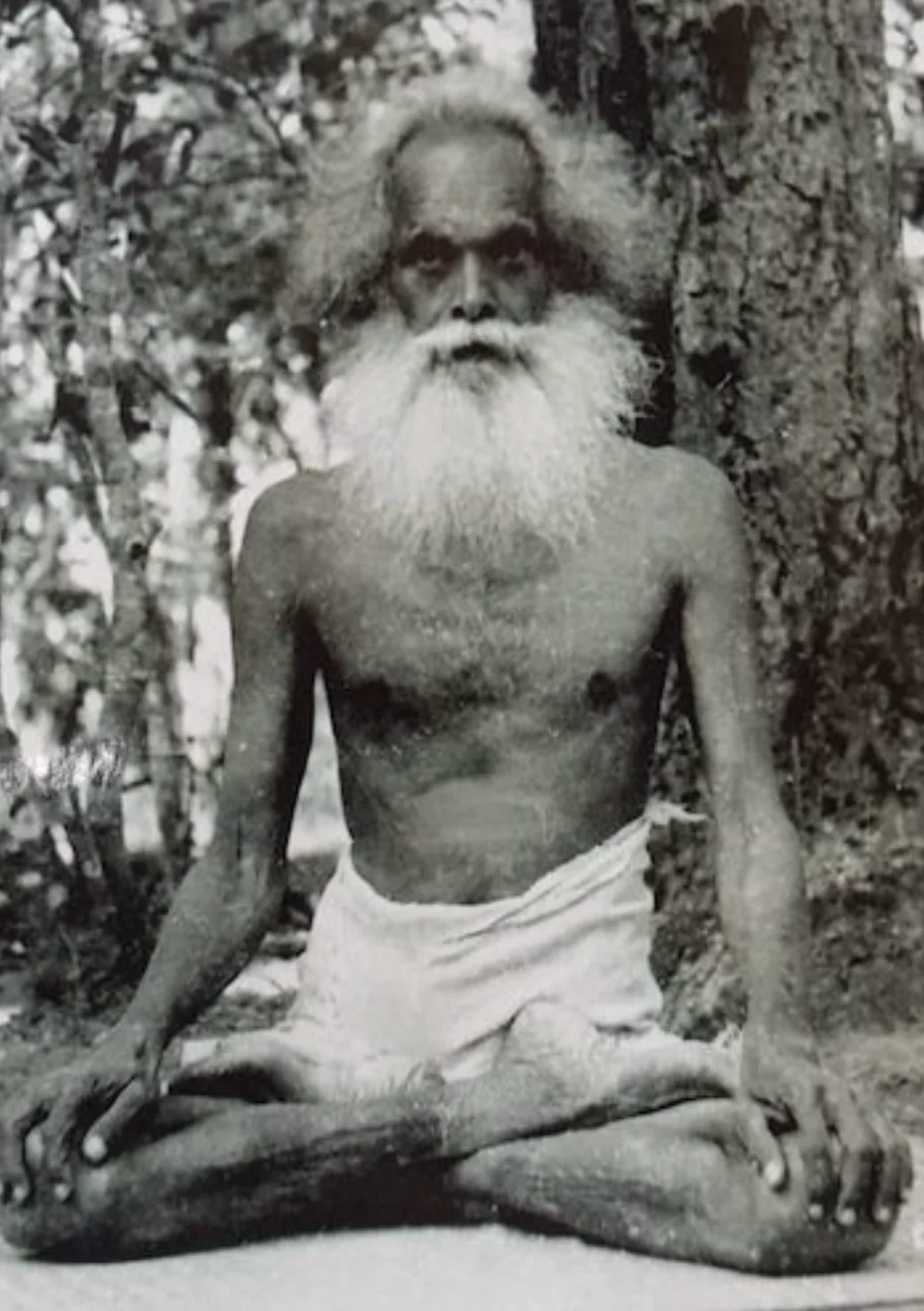
Specifically taught the 'Right Life' (Swadharma), a three-fold discipline of physical, moral, and spiritual duty that simplifies the complexity of ancient texts into a practical, single system for modern life.
Thiruvalluvar
The Thirukkural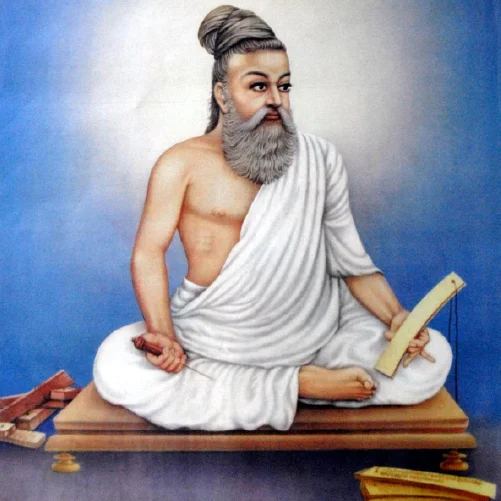
A monumental work of Tamil literature composed of 1,330 couplets. It defines the foundational secular framework for Right Living according to Thiruvalluvar (Valluvar), guiding virtue (Aram), wealth and governance (Porul), and noble affection (Inbam) as essential ways to live the right life.
Gautama Buddha
The Eightfold Path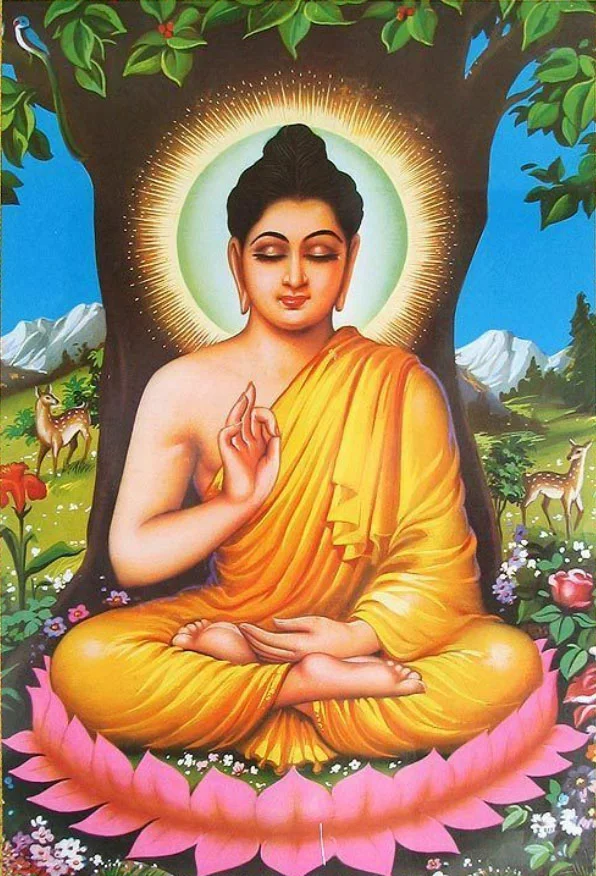
The definitive manual for balanced living. It provides a practical, self-correcting path of ethical conduct, mental concentration, and mindful awareness to transcend human suffering and achieve self-knowledge.
Patanjali
Yamas & Niyamas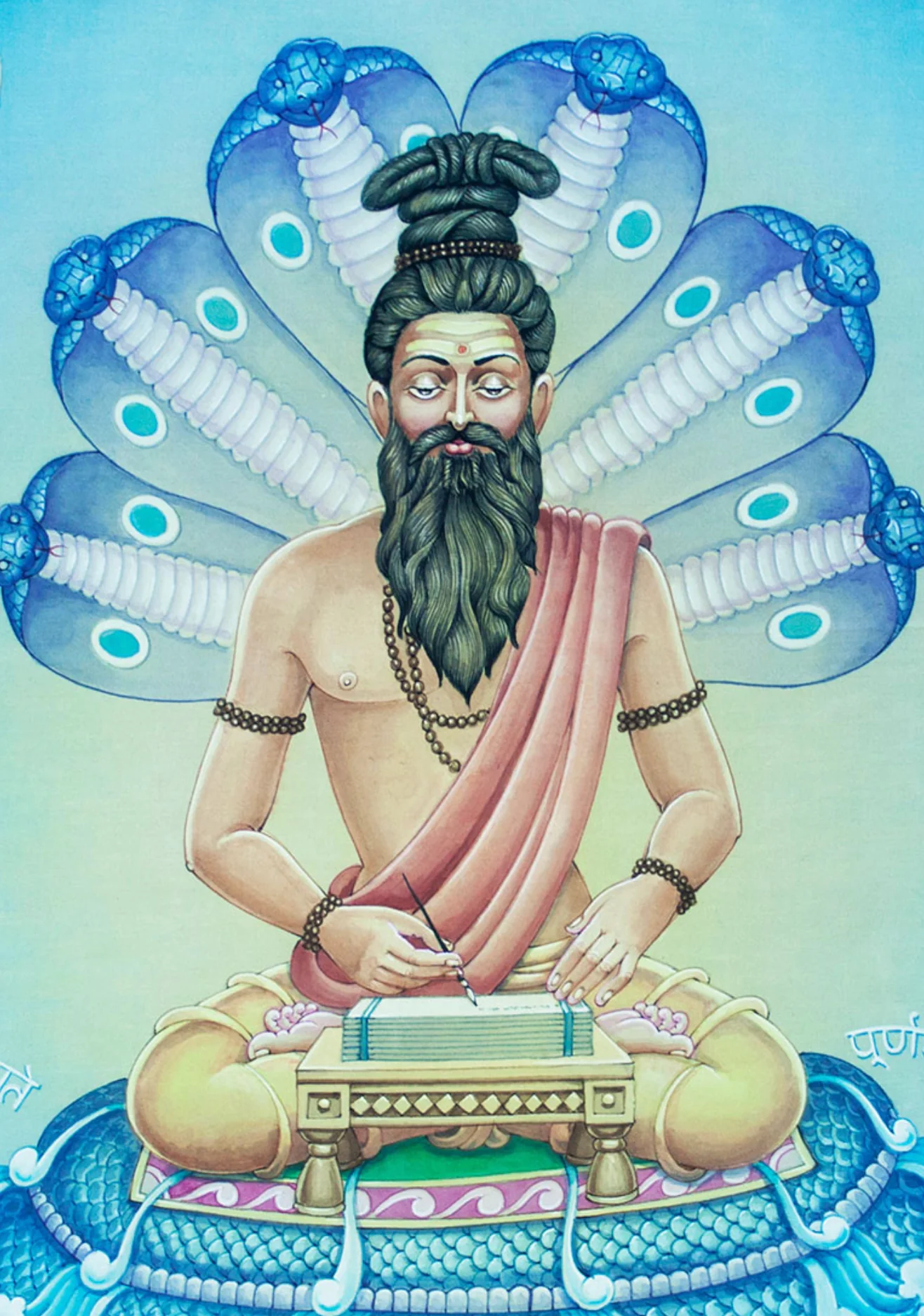
The foundational ethical codes of classical yoga philosophy. The Yamas establish guidelines for right relationship with the outer world, while the Niyamas outline personal observances for inner discipline.
Mahatma Gandhi
Satyagraha & Sarvodaya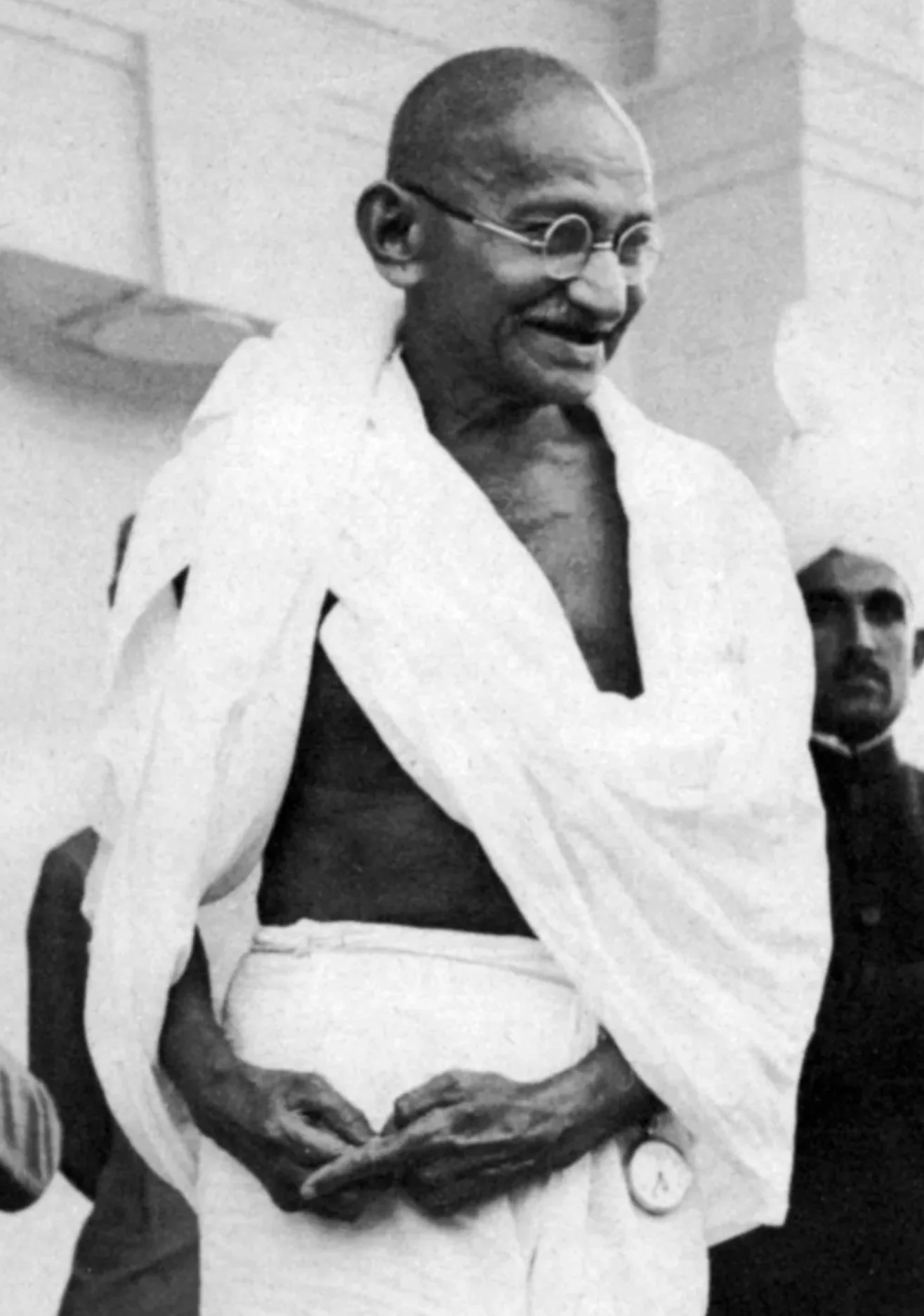
The dual principles of active truth-force and the welfare of all. These ethical frameworks demonstrate how individual integrity and internal self-mastery must directly serve the elevation of society.
Swami Vivekananda
Practical Vedanta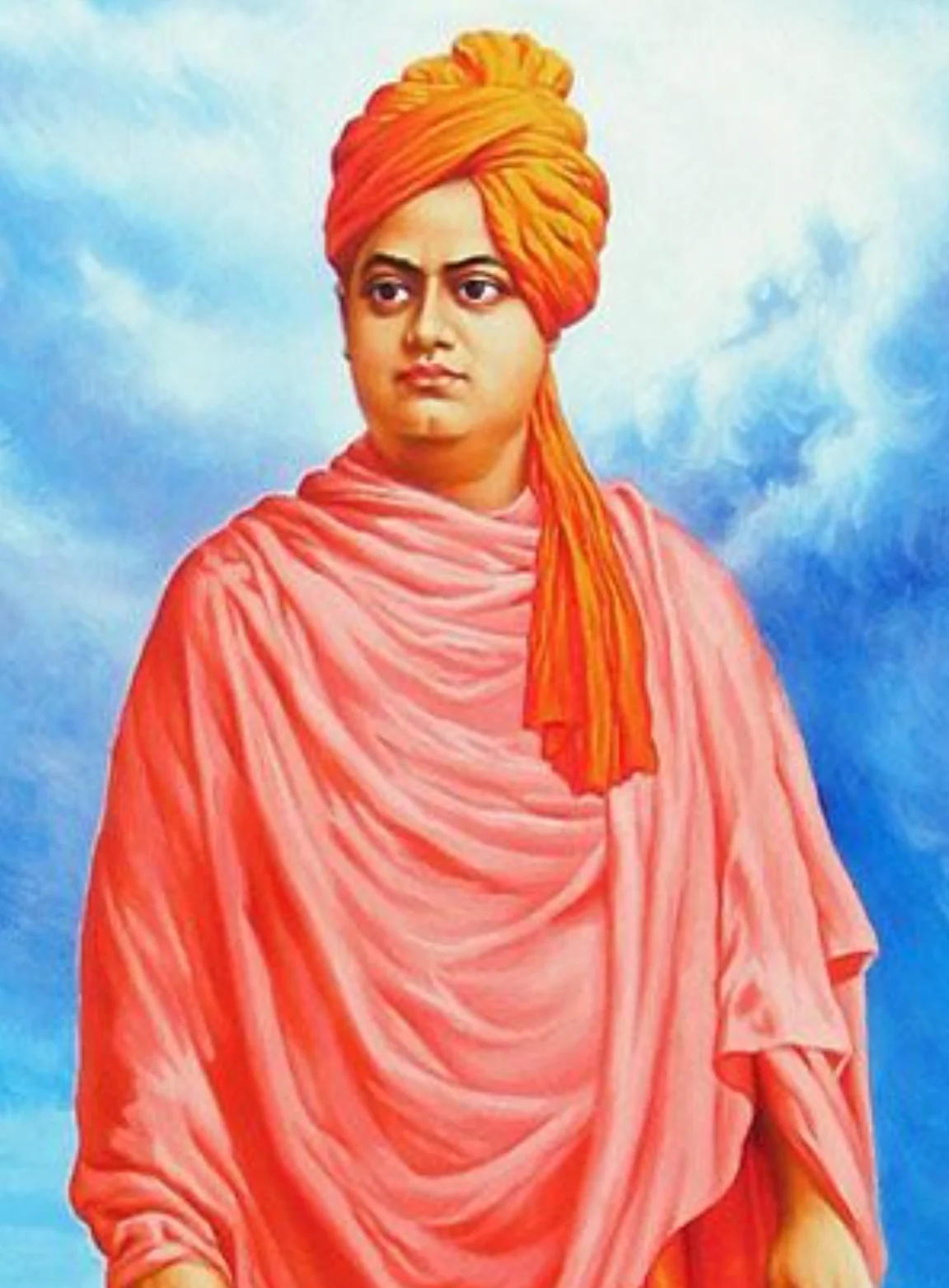
Propagator of 'Practical Vedanta.' He taught that a life well lived involves a balance of strength, service, and spiritual realization, famously stating, 'They alone live, who live for others'.
Guru Nanak
Kirat Karo, Naam Japo & Vand Chakko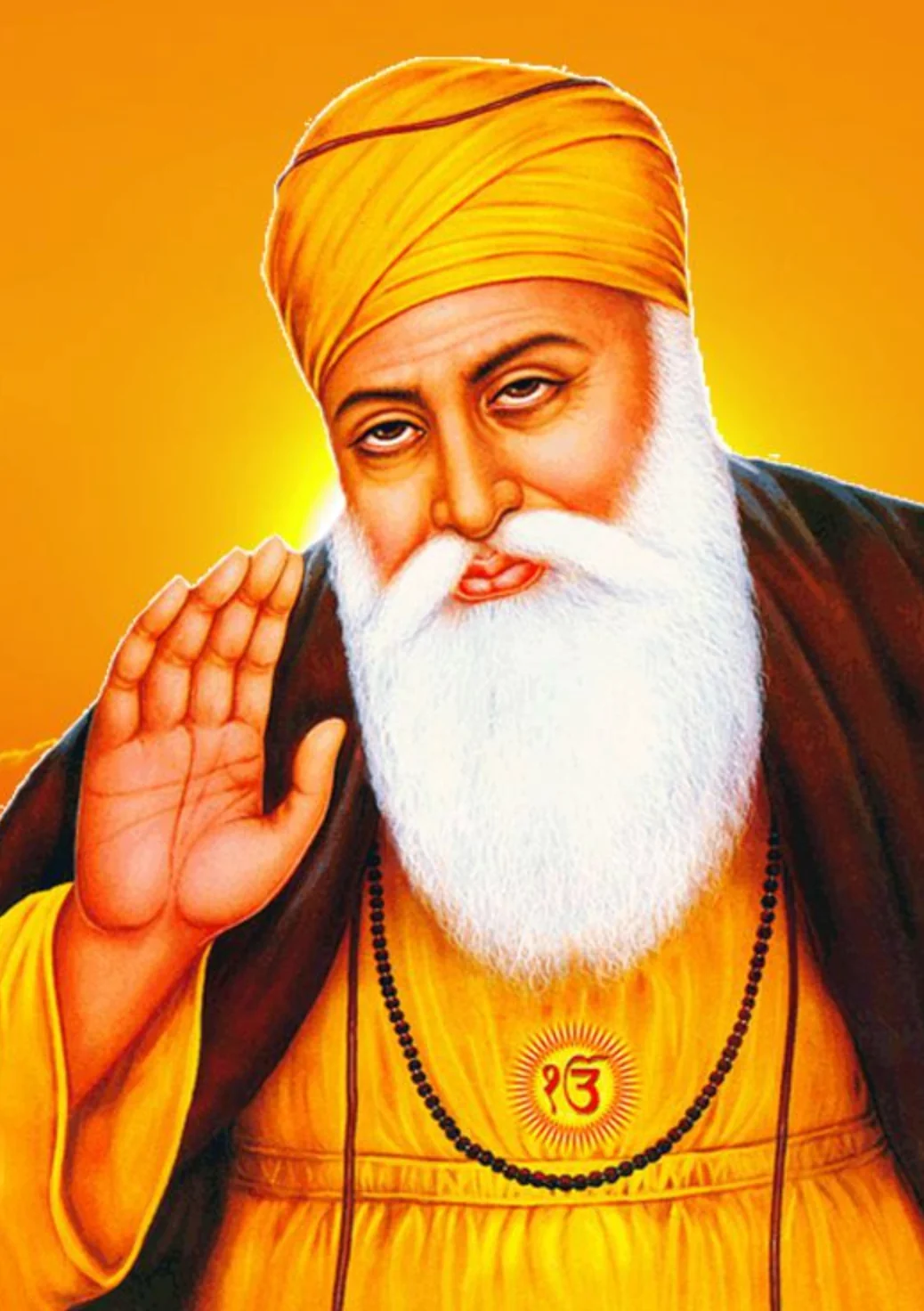
Founded a way of life based on Kirat Karo (honest work), Naam Japo (remembering God), and Vand Chakko (sharing with others). He emphasized that 'Truth is the highest virtue, but higher still is truthful living'.
Jiddu Krishnamurti
Total Awareness & Freedom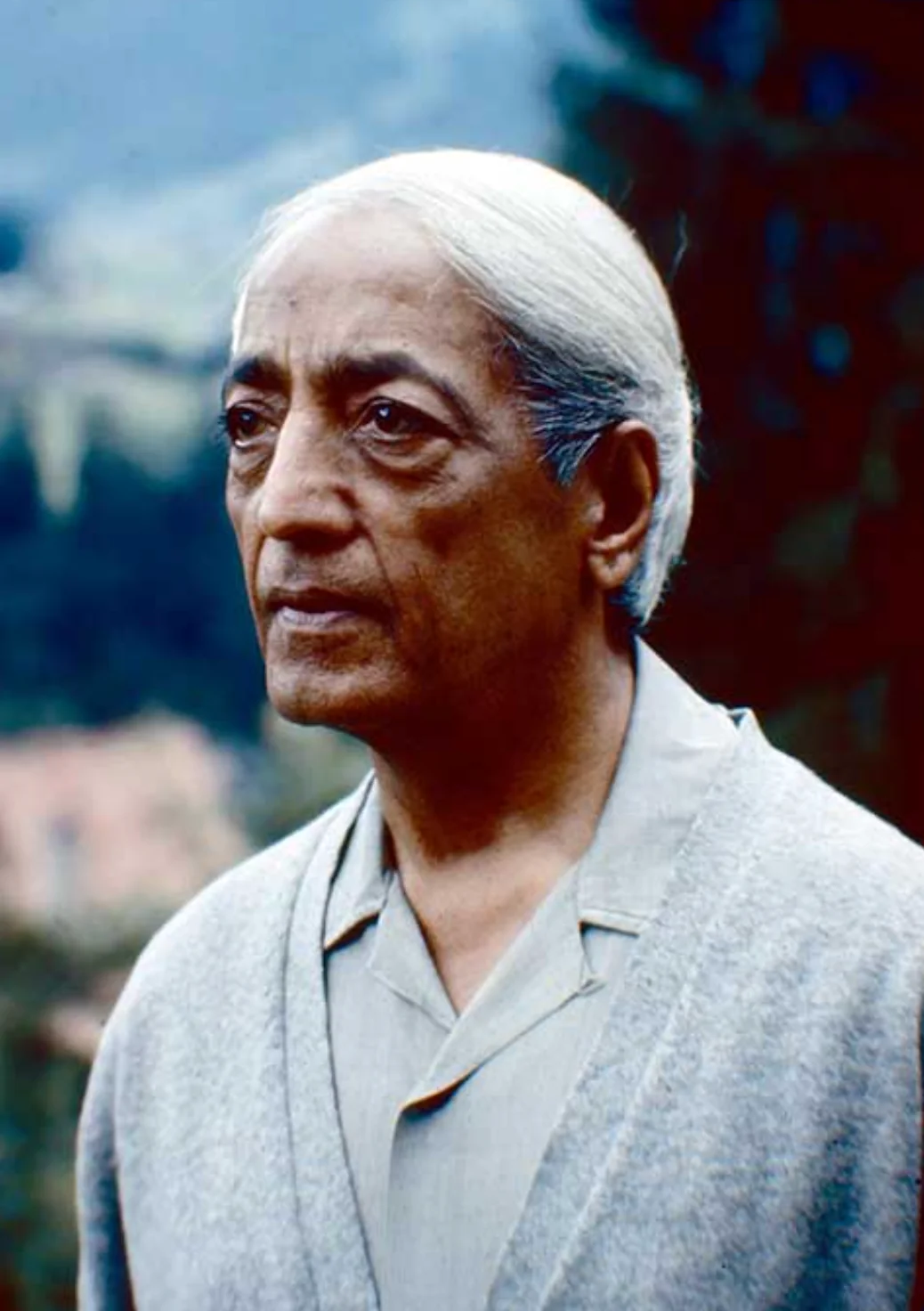
The voice of 'current wisdom,' he advocated for a life free from conditioning and psychological conflict. His wisdom lies in the 'Right Living' that comes from total awareness and the rejection of all mental authority.
Mahavira
Panchamahavratas & Ahimsa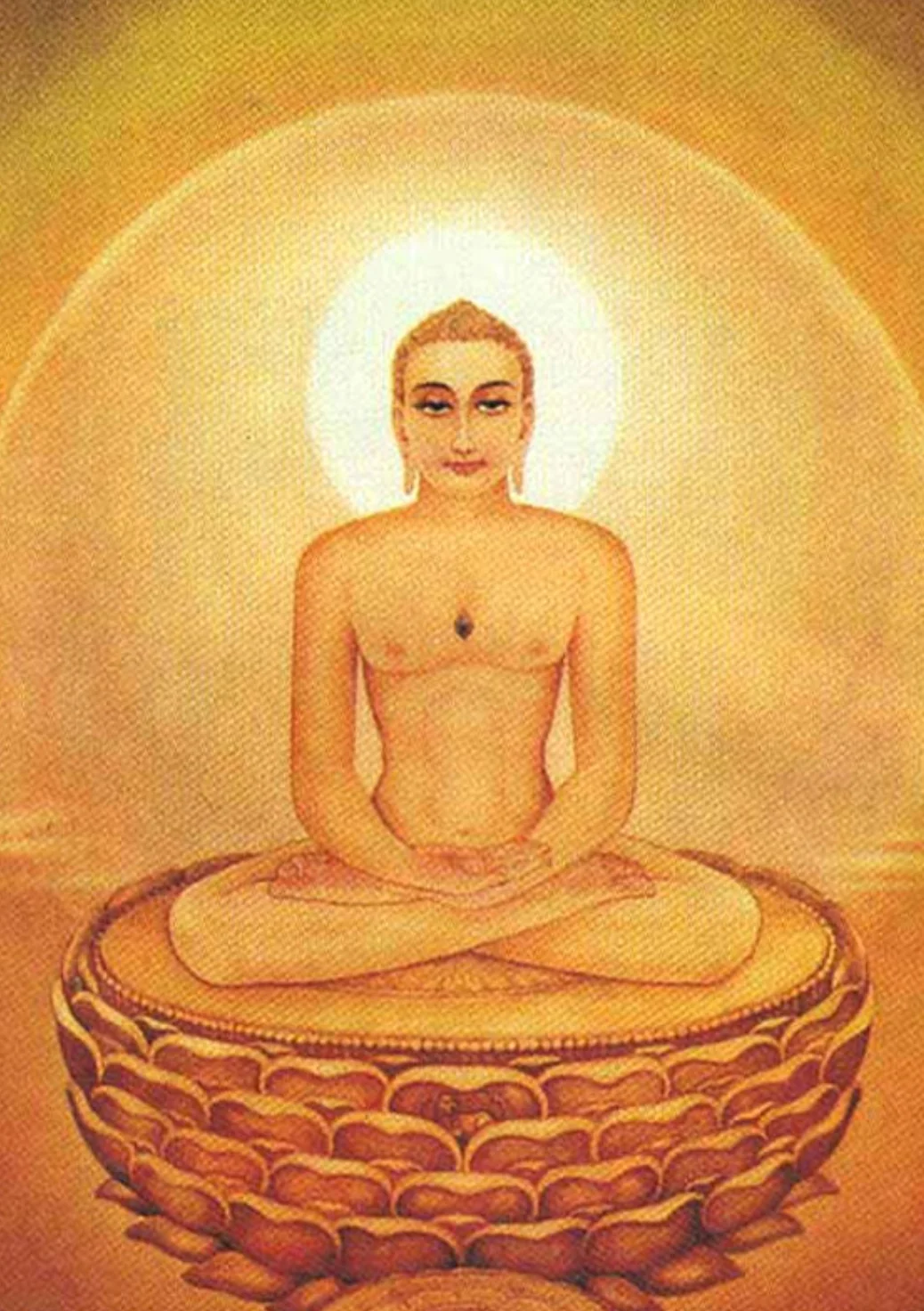
Established the Five Great Vows (Panchamahavratas), with a focus on Ahimsa (non-violence) and Aparigraha (non-possessiveness). His teachings promote a lifestyle of extreme mindfulness regarding one's impact on all living beings.
Sri Aurobindo
Integral Yoga & Divine Life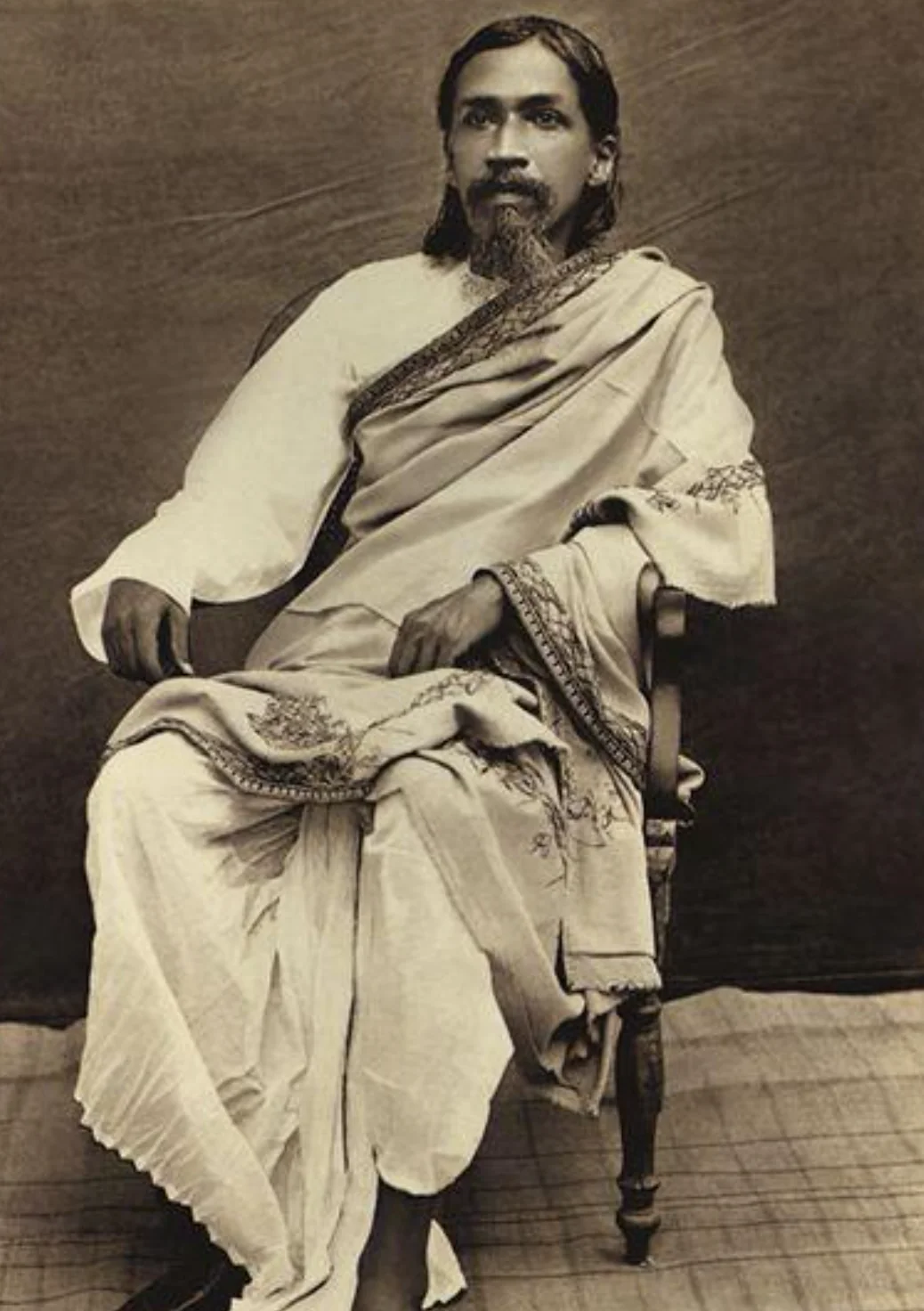
Propagated Integral Yoga, teaching that the goal of a life well lived is the transformation of human consciousness into a 'Divine Life' right here on earth.
Contemporary Longitudinal Research
Modern science continues to measure what the sages have long known. We highlight three primary pillars of current research:
The Harvard Study of Adult Development
85-Year Longitudinal CohortFor over 85 years, this ongoing study has tracked thousands of individuals to identify the true drivers of human flourishing. The data is conclusive: strong, warm relationships, rather than wealth, fame, or social class, are the single most significant predictor of long-term health, cognitive function, and happiness.
The Neurobiology of Wisdom
UC San Diego StudyResearchers have mapped specific neural pathways, particularly within the prefrontal cortex and amygdala, that govern the key traits of human wisdom, specifically emotional regulation, empathy, and self-reflection. This provides a biological basis for the traditional practice of Thannai Than Arithal (knowing oneself).
The Flourishing Curve
Harvard T.H. Chan School of Public HealthLongitudinal indices indicate that psychological and spiritual flourishing scores frequently peak for individuals aged 80 and older. This data suggests that a well-lived life is an accumulative, developmental process of wisdom and resilience that compounds over time.
Academic Enquiry: The Art of Living
Leading global universities now offer rigorous academic courses exploring the intersection of ethics, psychology, and practical living. These resources serve as modern reference points for our mission:
Yale University
The Life Worth LivingA foundational curriculum that reads across diverse historical, philosophical, and religious traditions to encourage students to articulate and examine what makes a human life truly worth living.
Harvard University
Managing HappinessAn academic enquiry into the science and practice of well-being, translating empirical research from psychology and neuroscience into actionable strategies for individual and collective flourishing.
Stanford University
The Art of LivingAn educational framework focused on integrating ethical reflection, mindfulness practice, and design-thinking principles into everyday life choices and professional careers.
University of Chicago
Center for Practical WisdomA dedicated research center examining the nature, development, and application of wisdom in modern society, analyzing how wise reasoning improves life outcomes and decision-making.