
One Life: Live It Well
The Seven Disciplines of Life

Living well is not living as per emotional whims or personal likes and dislikes. It is a shift to rational principles: a practical blueprint aligning actions with moral reasoning across seven dimensions of human existence.
How to Live Well
Emotional Whims vs. Rational Principles
Living well is not living as per our own liking and disliking. Living well is living with moral reasoning of what is right and wrong. It is a practice of every moment.
1. Desires Shift
Feelings and emotional preferences change constantly, making them unreliable guides for a well-lived life.
2. Reason Stabilizes
Logic and moral reasoning provide a steady, unshakeable objective framework for choices.
3. Character Grows
Choosing right over easy builds unshakeable integrity, self-discipline, and inner poise.
| Emotional Impulse (Liking & Disliking) | Rational Practice (Right Living) |
|---|---|
| Smoking & Substance Indulgence | Clean Living & Quitting Addiction |
| Junk Food & Overeating | Conscious & Balanced Nourishment |
| Partying Whole Night | Quality Sleep & Restorative Rest |
| Over-speeding & Reckless Driving | Responsible Driving & Mindful Action |
| Vanity, Luxury & Ostentation | Basic Need Fulfillment & Financial Discipline |
| Obsession with Name, Fame & Ego | Selfless Duty & Ethical Conduct |
| Craving Power & Material Position | Dedicated Service & Universal Welfare |
"Only after fulfilling our duties to self, family, nation and profession we can free ourself without any deviation to focus on God. The office is not a distraction; it is the temple's foyer."
- Shivapuri Baba

1. The Discipline of Knowledge (Jnana)
Muladhara • Supremacy of Reason & Discrimination (Viveka)
Wisdom is not found in the volume of information one consumes, but in the truth one lives by objective reasoning. This discipline focuses on Viveka: the practice of discriminating right from wrong rather than following emotional impulses.
By cultivating sharp intellect and reasoning as the foundation of knowledge, we filter out falsehood and ground our choices in objective moral clarity, rooted in the Muladhara (Root) chakra.
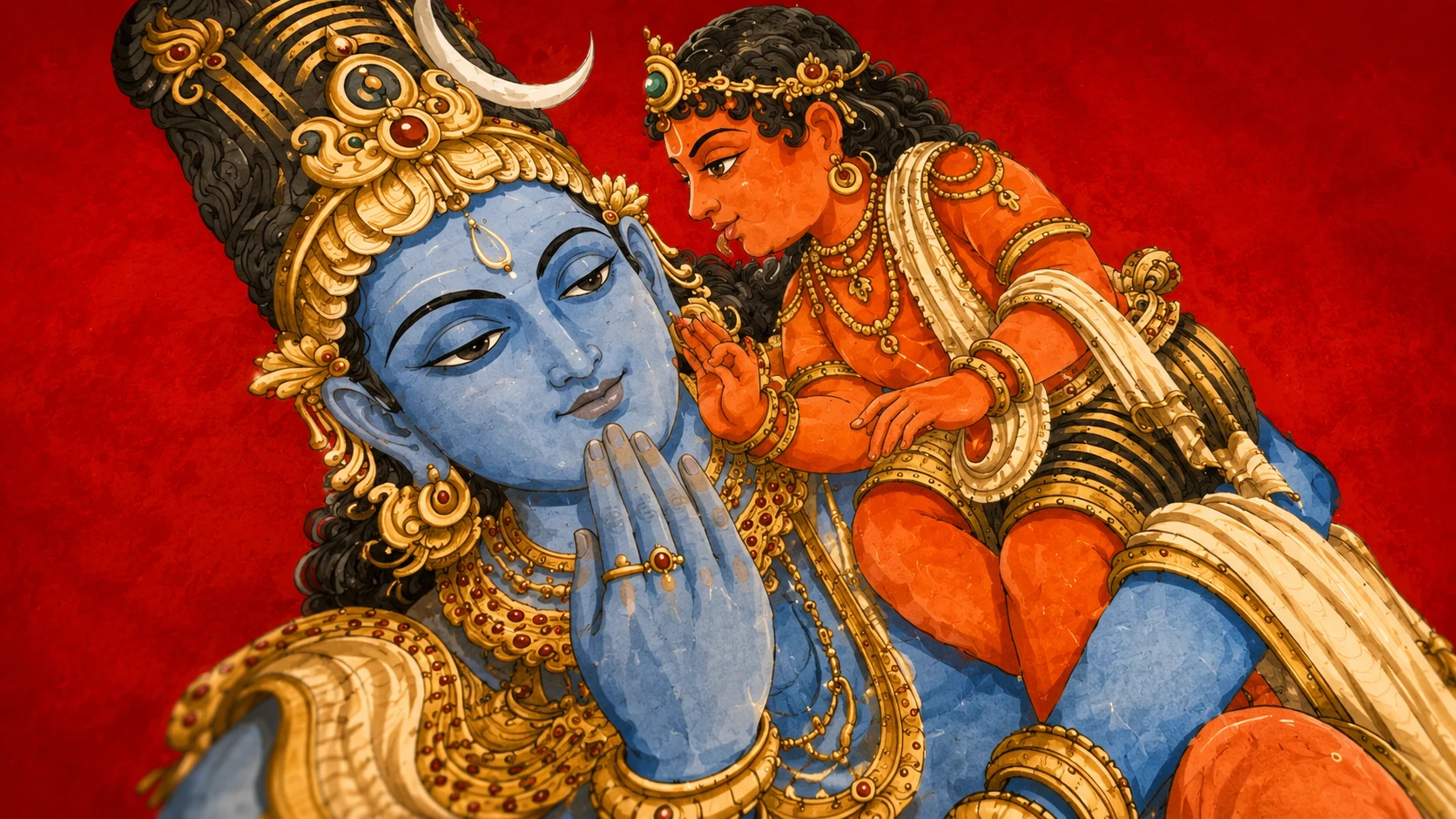
Lord Murugan as Jnana Pandit
As a young child, Lord Murugan expounded the supreme cosmic meaning of the sacred syllable AUM (Pranava Mantra) to his own father, Lord Shiva. He establishes the supremacy of intellect and right reasoning over ego, guiding humanity to seek absolute truth.

2. The Discipline of the Body (Kaya)
Svadhishthana • Physical Vessel & Endurance
Health is the non-negotiable foundation of a well-lived life. The physical vessel must be treated as a disciplined, fit instrument for righteousness governed by reason rather than sensory cravings.
Built upon the Three Pillars of Physical Protection: Right Food (consumed solely for survival and health), Right Hygiene (a shield for the physical form), and Right Sleep (7-8 hours for cellular restoration).
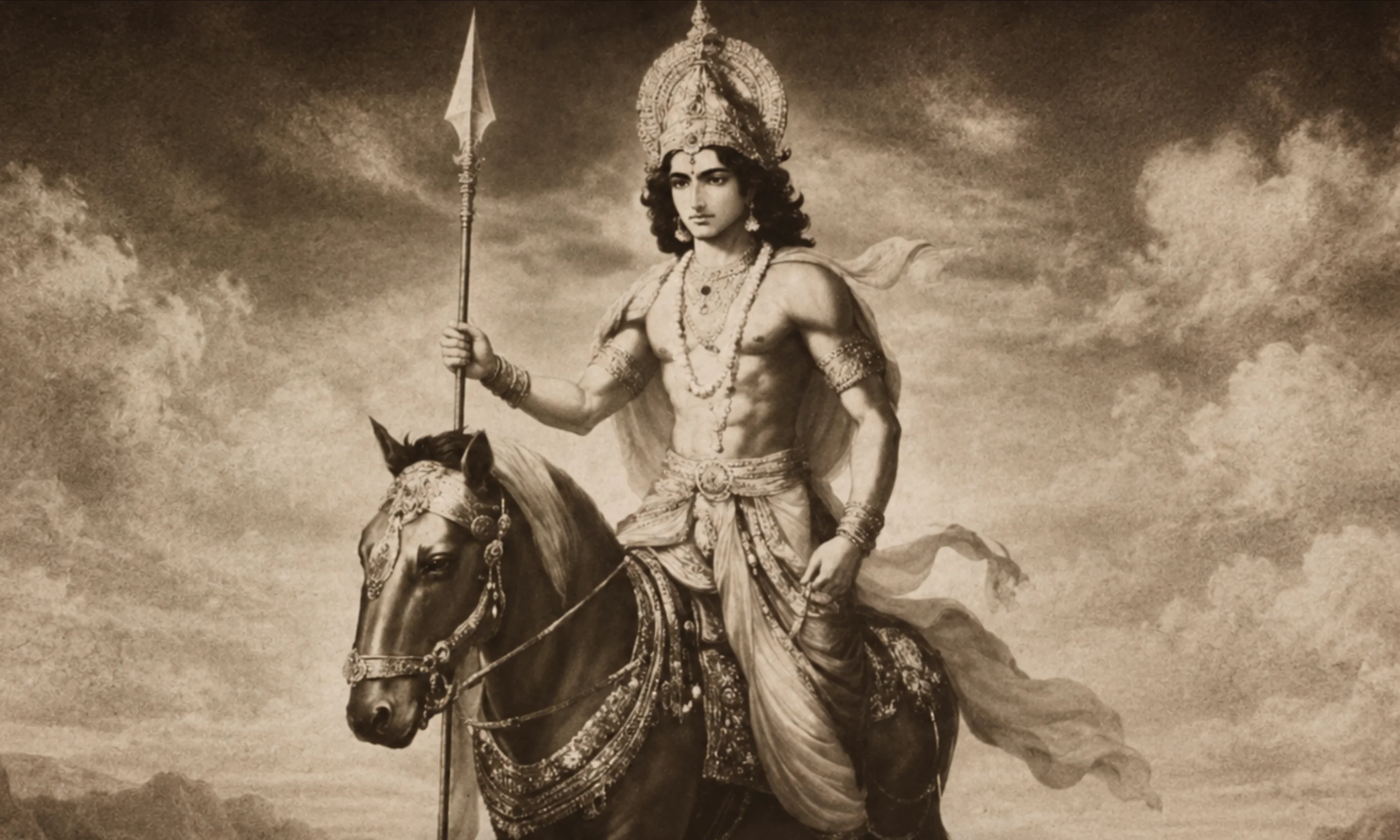
Kavadi Attam & Kumaran (Eternal Youth)
The ritual of Kavadi Attam and barefoot hill pilgrimages demand intense endurance, fasting, and physical purification. Revering Murugan as Kumaran (Eternal Youth) and divine army commander reminds us that the body is a temple weapon dedicated to Dharma.

3. The Discipline of the Mind (Manas)
Manipura • Unshakeable Values & Moral Focus
A healthy mind is shaped by cultivating higher virtues and pulling out lower impulses. Shiva Puri Baba compares the mind to a garden: we must weed out fear, arrogance, anger, and pride, while harvesting tranquility, truthfulness, and compassion.
Anchoring the intellect in core values builds unshakeable emotional stability, freeing the mind from anxiety, worry, and depression.
The Iconography of the Sacred Vel
The Vel (sacred spear) represents a steady, focused mind. Its broad base symbolizes broad-mindedness, its sharp tip signifies razor-sharp focus, and its depth represents profound spiritual insight amidst world chaos.
4. The Discipline of Wealth (Artha)
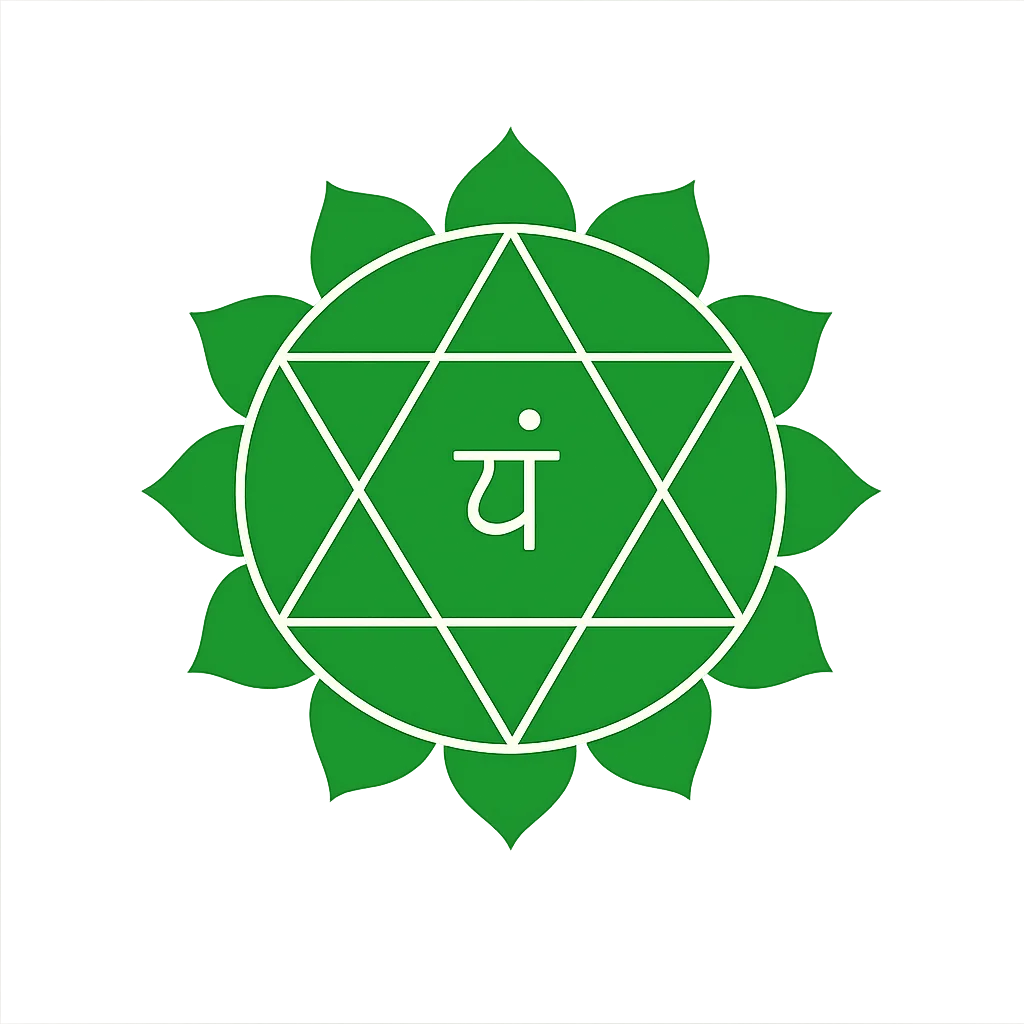
Anahata • Ethical Stewardship & Non-Attachment

Wealth is not a measure of personal vanity, but a vital tool to fulfill sacred obligations. Right earning, saving, and spending ensure financial stability to support basic needs, emergencies, and duties.
This discipline achieves autonomy through debt-free stewardship, treating money as energy in service of moral responsibility rather than sensory validation.
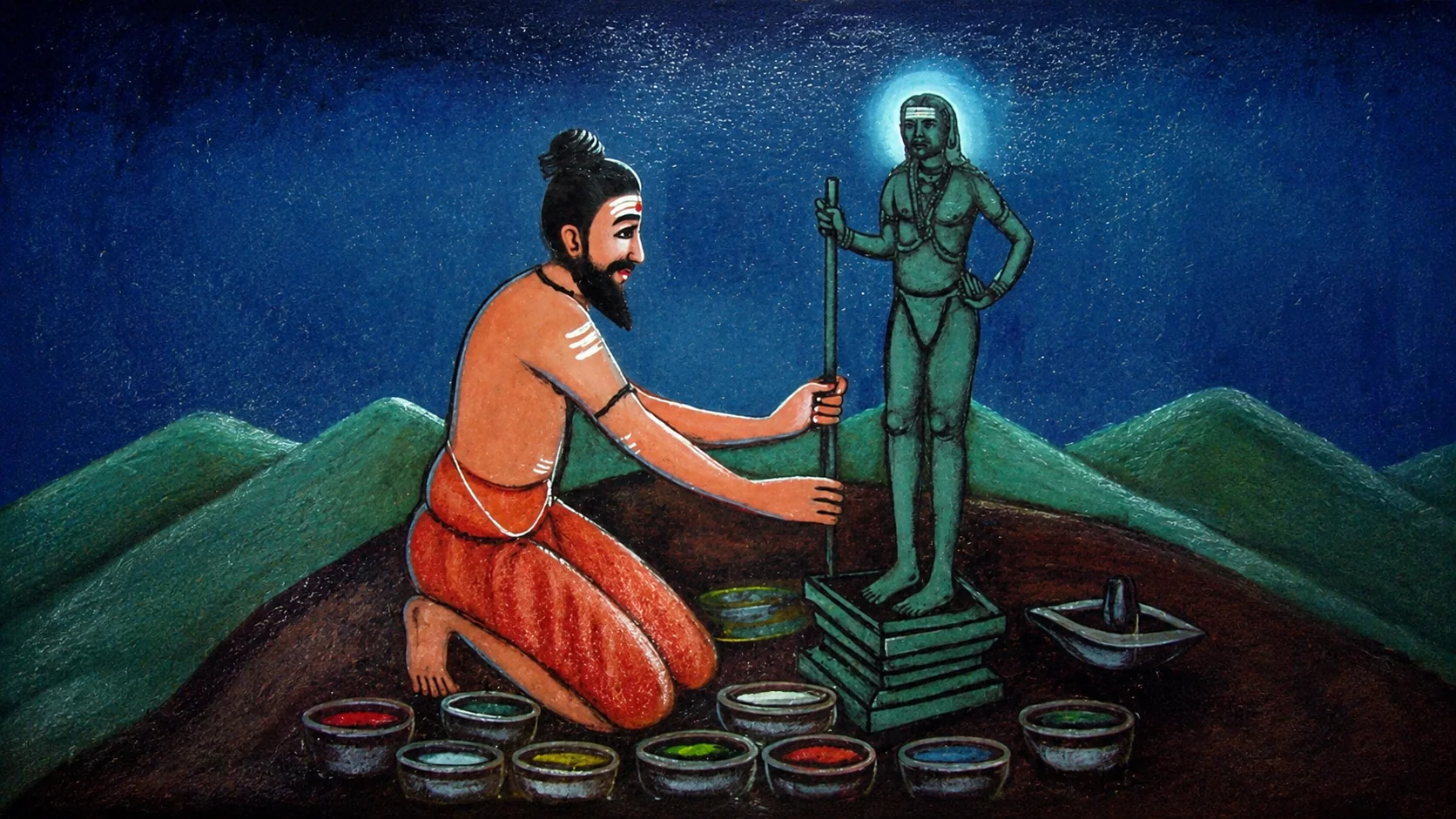
Pazhani Andavar & The Sacred Triad
At Palani, Murugan stands as Pazhani Andavar: a simple ascetic holding a staff, demonstrating complete non-attachment to material wealth. Achieving righteous prosperity requires the Sacred Triad: Icha Sakthi (Valli: Will), Gnana Sakthi (Murugan: Wisdom), and Kriya Sakthi (Deivayanai: Action).

5. The Discipline of Duties (Dharma)
Vishuddhi • The Four Concentric Spheres of Obligation
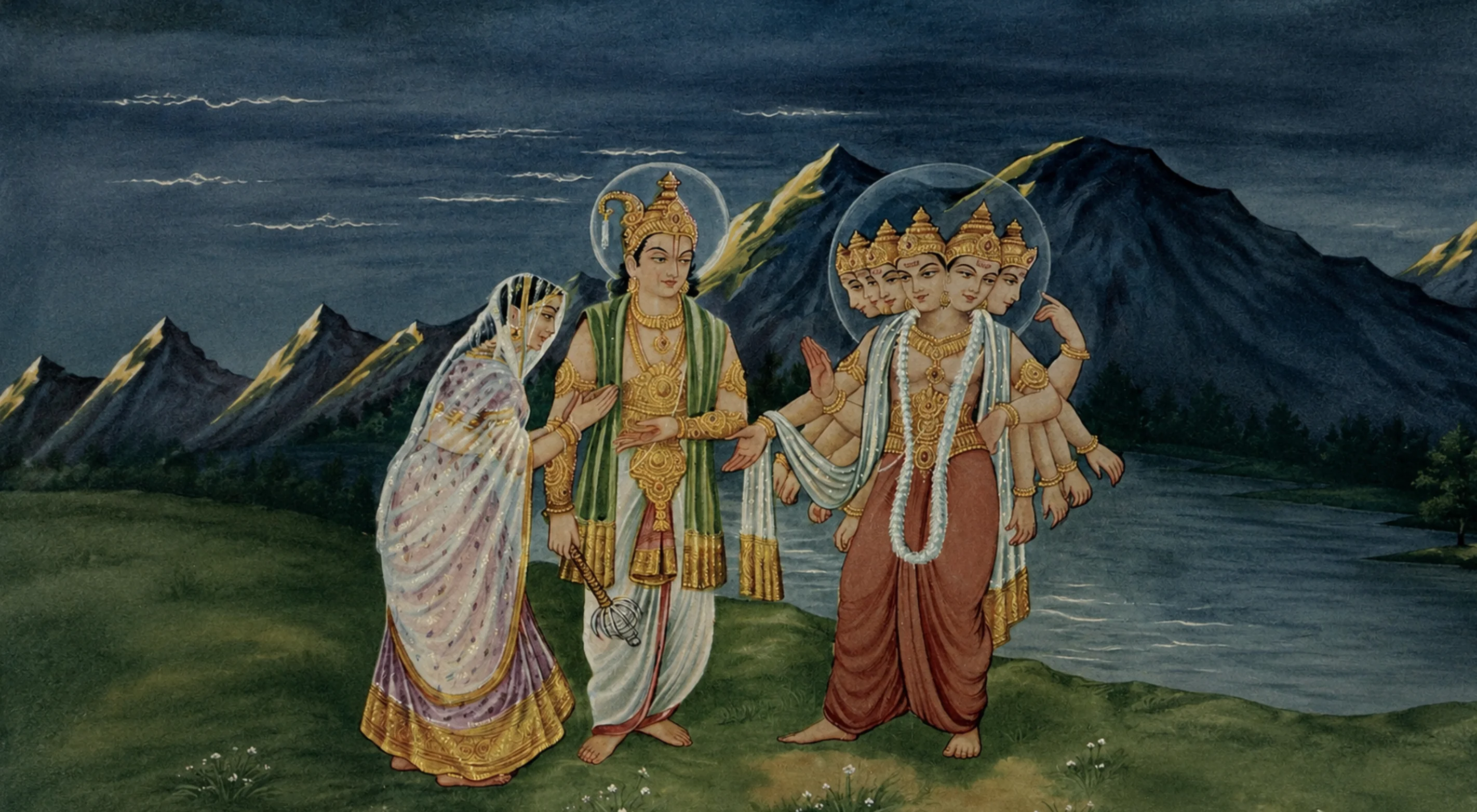
Fulfilling our obligations creates social and personal stability. These duties expand in four concentric spheres: Self, Family, Profession, and Society.
Shiva Puri Baba teaches that professional work is a spiritual requirement: fulfilling obligations with total integrity clears the path so the focused mind can turn toward God without deviation.
Devasenapati (Commander of Celestial Order)
Born from the third eye of Shiva, Murugan unflinchingly accepted his duty as protector of the universe. Whether as warrior, son, or teacher, he embodies the flawless execution of responsibility without hesitation.

6. The Discipline of Purpose (Paropakara)
Ajna • Reforming Evil & Creating Positive Impact
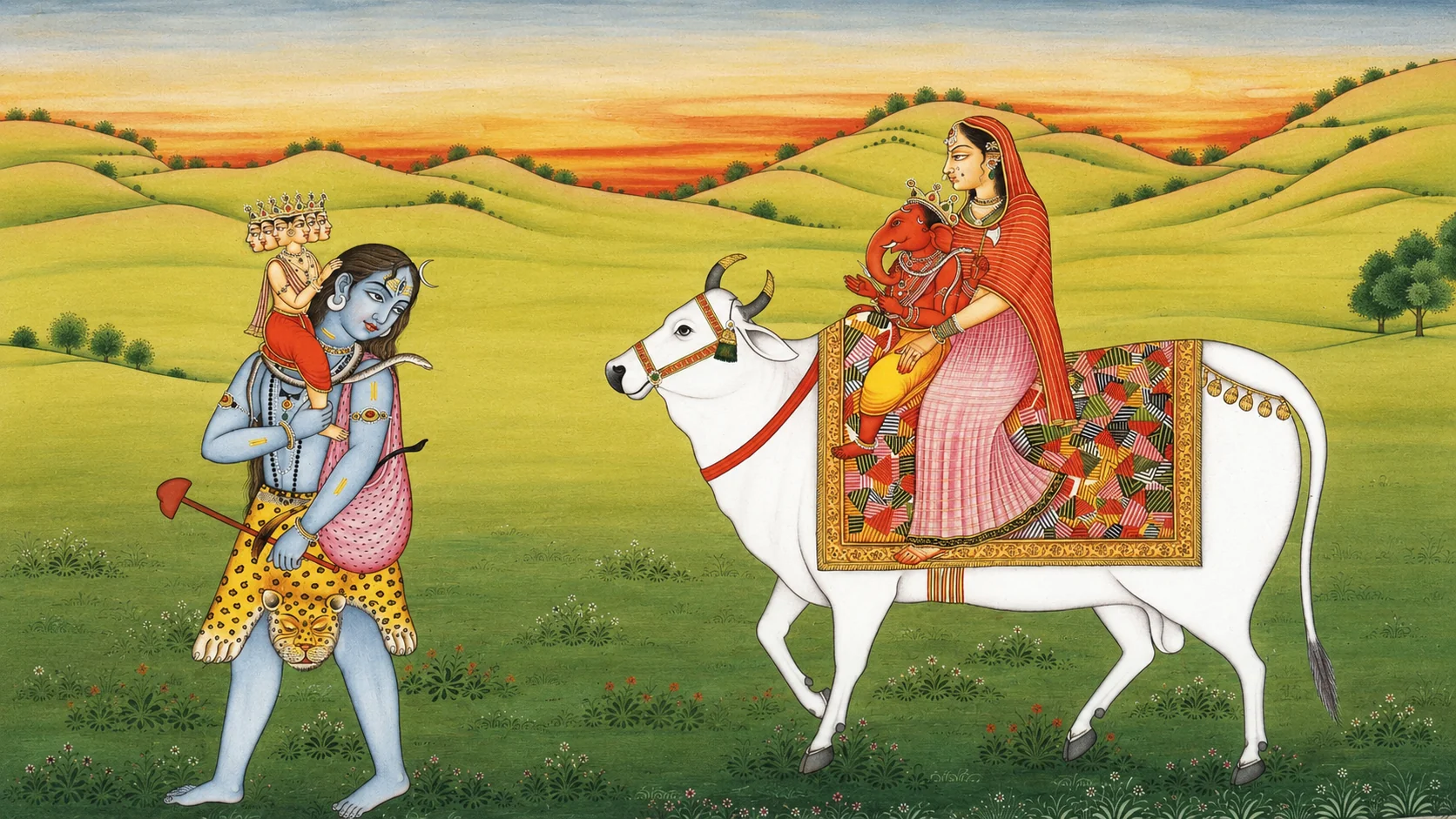
A life of significance requires directing actions outwardly to leave a positive footprint every single day. Purpose is measured by how noticeably better you leave others' lives and the environment.
This marks the transition from selfish accumulation to constructive societal contribution and lasting legacy.
Transformation of Surapadman
When Murugan defeated the demon Surapadman, he did not destroy him out of malice. Instead, he conquered his ego and transformed him into a Peacock (his mount) and a Rooster (his flag banner), defining ultimate cosmic purpose: reforming evil into productive harmony.

7. The Discipline of the Spirit (Atman)
Sahasrara • Transcendence & Universal Unity
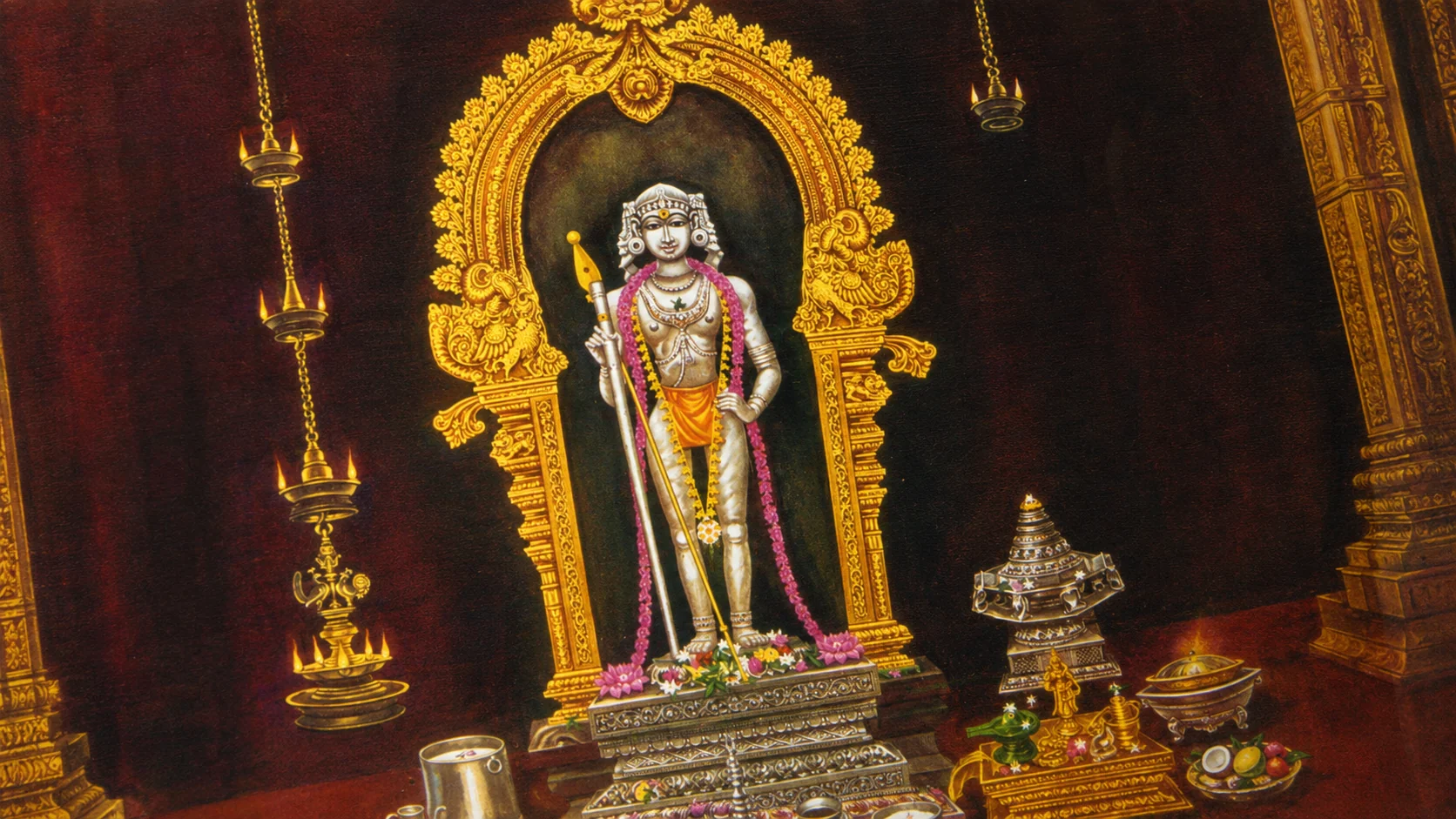
The highest goal of human existence is self-realisation and God-experience. Spirit is cultivated through constant meditation, unconditional love, peace, and non-dual wisdom.
By letting go of the physical ego, the seeker transcends individual consciousness and realizes oneness with the universal absolute.
Arupadai Veedu & Chakra Activation
The 6 sacred abodes (Arupadai Veedu) and AUM pranavam represent the yogic pathway to activate the 6 chakras. Murugan's union with Valli (individual soul) and Deivayanai (divine action) symbolizes the spirit's return to Supreme Reality.
7-Week Reflective Inquiry
Dedicate one week to each discipline for deep-dive self-reflection and habit formation.
| Week & Focus | Reflective Self-Inquiry Question |
|---|---|
| Week 1 (Integrity) | "What recent decision did I make based on emotional liking rather than right reasoning? How can I correct it?" |
| Week 2 (Vitality) | "Which physical habit (food, movement, or sleep) is currently draining my energy, and what is one small fix?" |
| Week 3 (Mind) | "What external trigger easily disrupts my peace of mind, and what core virtue can I use to stay steady?" |
| Week 4 (Stewardship) | "Does my current spending align with long-term stability and obligations, or am I buying for short-term validation?" |
| Week 5 (Duties) | "Which of my four spheres of duty (self, family, profession, or society) is being neglected, and how do I rebalance it?" |
| Week 6 (Purpose) | "If today were my last day, what positive impact would I leave behind in the lives of those around me?" |
| Week 7 (Spirit) | "When I sit in silence, what happens when I let go of my name, job, and physical body? Who am I underneath?" |
7 Core Takeaways for Right Living
Essential practical wisdom and principles of Swadharma taught by Shivapuri Baba.
The Singular Pursuit: Why We Are Really Here
In an age of profound fragmentation and digital distraction, a quiet existential restlessness persists because we have forgotten the singular objective of human existence: to see and experience God. Rather than a theological platitude, this is a logical and practical claim. The infinite complexity of creation implies an Architect, and leaving life without experiencing this source keeps our primary work unfinished. Once this ultimate vision is achieved, the human condition is resolved, dissolving every existential sorrow and doubt in the light of that realization.
Career and Wealth are Spiritual Requirements
Contrary to the belief that spiritual realization requires escaping from the world, worldly duty and career are non-negotiable starting points. Fulfilling your professional and family duties is a spiritual requirement that builds the foundation of integrity. Earning an ethical livelihood and clearing worldly obligations without deviation refines character and settles the intellect. Once active duties are performed with absolute integrity, the quieted mind has nowhere else to go but naturally flow toward the Infinite.
The Body is a Tool of Reason, Not Impulse
Physical discipline is not a checklist of chores, but the conscious governance of the body by reason rather than sensory impulses. Governed by liking and disliking, one remains a slave to whim; guided by reason, one becomes a true practitioner. A strong, well-maintained body serves as the foundation for deep mental inquiry, resting on three essential pillars: Right Food consumed solely for health and survival, Right Hygiene as a protective shield, and Right Sleep for systemic cellular restoration.
You Are the Gardener of Your Own Mind
Transitioning to moral discipline requires taming the wild, chaotic currents of the untrained mind to make it a servant to the higher will. Like a dedicated gardener, we must actively weed out elements of our lower nature, such as fear, crookedness, anger, arrogance, and ignorance. Concurrently, we must cultivate and nourish a harvest of higher virtues, including fearlessness, truthfulness, compassion, forgiveness, and unshakeable inner tranquility.
Spirituality is a Result of Logical Practice
True spiritual wisdom is not a sudden emotional epiphany, but the direct result of systematic, logical practice. It requires developing reasoning through Viveka (discriminating between the eternal and the transient) and Vairagya (cultivating non-attachment to passing outcomes). Over decades of observing life's cause-and-effect patterns, analyzing outcomes, and making continuous corrections, character matures. Wisdom automatically evolves when we reason out what is right and practice it consistently without alteration.
God is an Experience, Not a Definition
At the spiritual level, the intellect reaches its limit; God cannot be taught, defined, or debated, but must be directly experienced through earnest internal yearning. The seeker must focus their redirected will so intensely that the pursuit of the divine becomes the primary purpose of existence. Through constant contemplation, prayer, and meditation, thinking of God alone, the mind eventually merges into divine realization, making a life without this vision unthinkable.
The Fruit of the Discipline
Ultimate realization is a systematic process of preparing the conditions for grace to unfold naturally. Just as a gardener plows, fertilizes, and waters to allow seeds to sprout, human effort does not force enlightenment but prepares the soil of consciousness. When the integrated disciplines of body, mind, and spirit are practiced with consistency, the result is inevitable: realization occurs like a sudden flash of lightning, revealing absolute reality as it truly is.
- 01. Singular Pursuit
- 02. Career & Wealth
- 03. Body as Reason
- 04. Mind Gardener
- 05. Logical Practice
- 06. God as Experience
- 07. Fruit of Discipline